Experience Swiss Quality

What Happens to Your Old Sofa? The Industrial Process Behind Bulky Waste Recycling
Release Time:
Dec 03,2025

When you move an old sofa out of your home, its "life" is far from over—it quietly transforms from a discarded "waste item" into "raw material" within the urban resource recycling system. Many people simply think, "Finally got rid of it," as they carry it downstairs, unaware that its journey ahead is closely tied to a city’s resource efficiency and sustainable development.
According to data released by China’s Ministry of Housing and Urban-Rural Development, the country generates over 200 million tons of municipal solid waste annually, of which bulky waste accounts for 3% to 5%. That translates to roughly 7 to 10 million tons of furniture circulating nationwide every year. If not handled properly, these items not only occupy space but also slow down the entire urban solid waste management system.

Bulky waste has two prominent characteristics: large volume and mixed materials. A seemingly simple sofa, when disassembled, reveals wood, foam, fabric, plastic, and metal fasteners all blended together. Mattresses are even more complex, with metal springs, cotton, non-woven fabric, and adhesive layers intertwined. This composition makes them difficult to transport, challenging to process, and impossible to disassemble manually at scale.
China’s Ministry of Ecology and Environment also explicitly states that "large-volume materials must not be directly fed into incinerators," as they lower thermal efficiency and increase wear on furnace grates. Only by shredding bulky waste into controlled sizes at the source can subsequent resource recovery and volume reduction for transportation be achieved.
Bulky Waste Pre-treatment System
SIDSA’s bulky waste shredding system was developed precisely to meet this practical demand. Next, let’s take a look at how this bulky waste shredding system operates in real-world scenarios through an actual project.

Chain Conveyor
After bulky waste enters the facility, it is first fed steadily via an apron conveyor. Due to the irregular size and uneven weight of furniture, manual feeding is unsafe and prone to causing blockages. The apron conveyor evenly transports these "heavy objects" to the next stage, maintaining a stable rhythm for the entire line.

Shredder
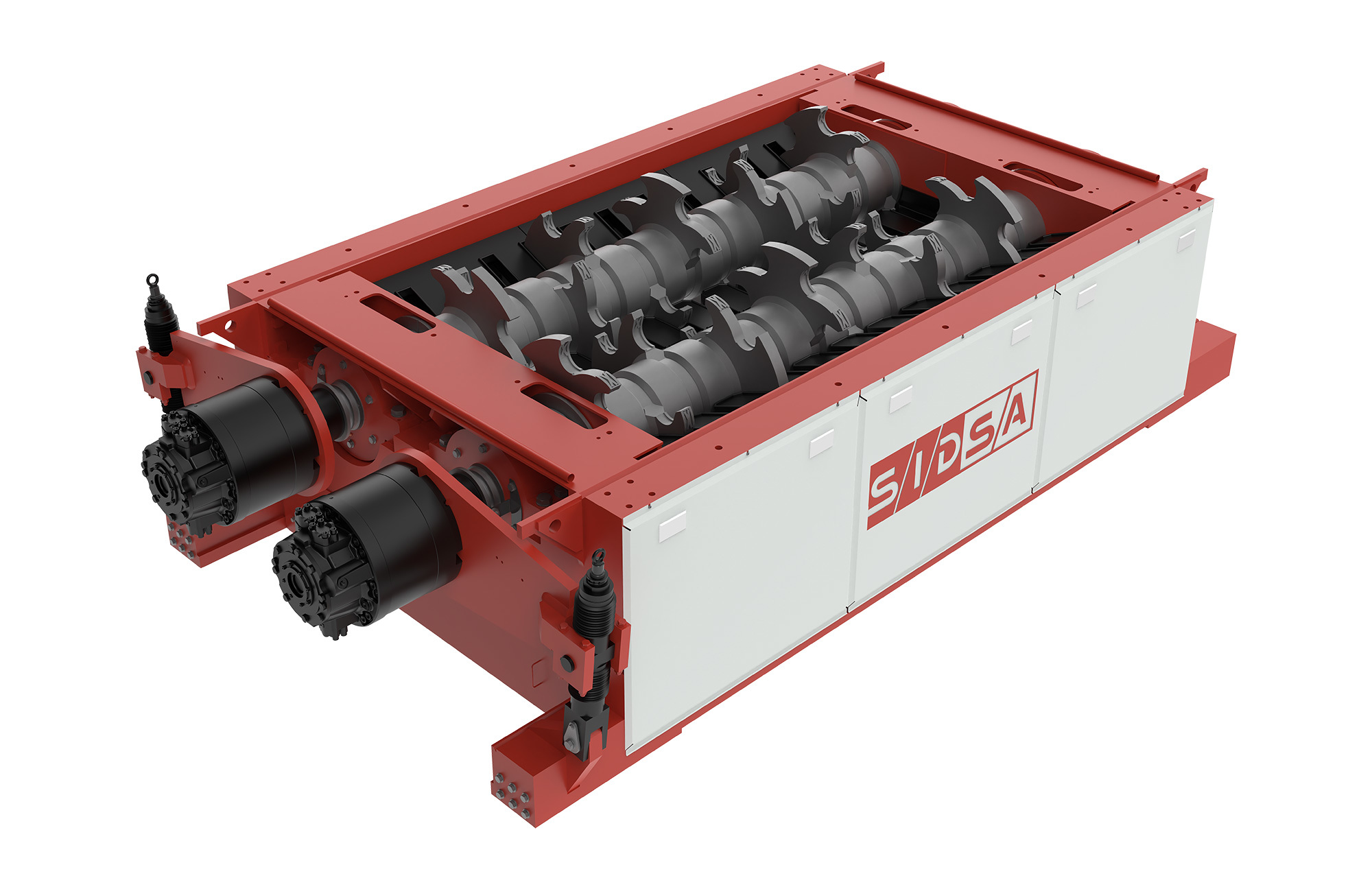
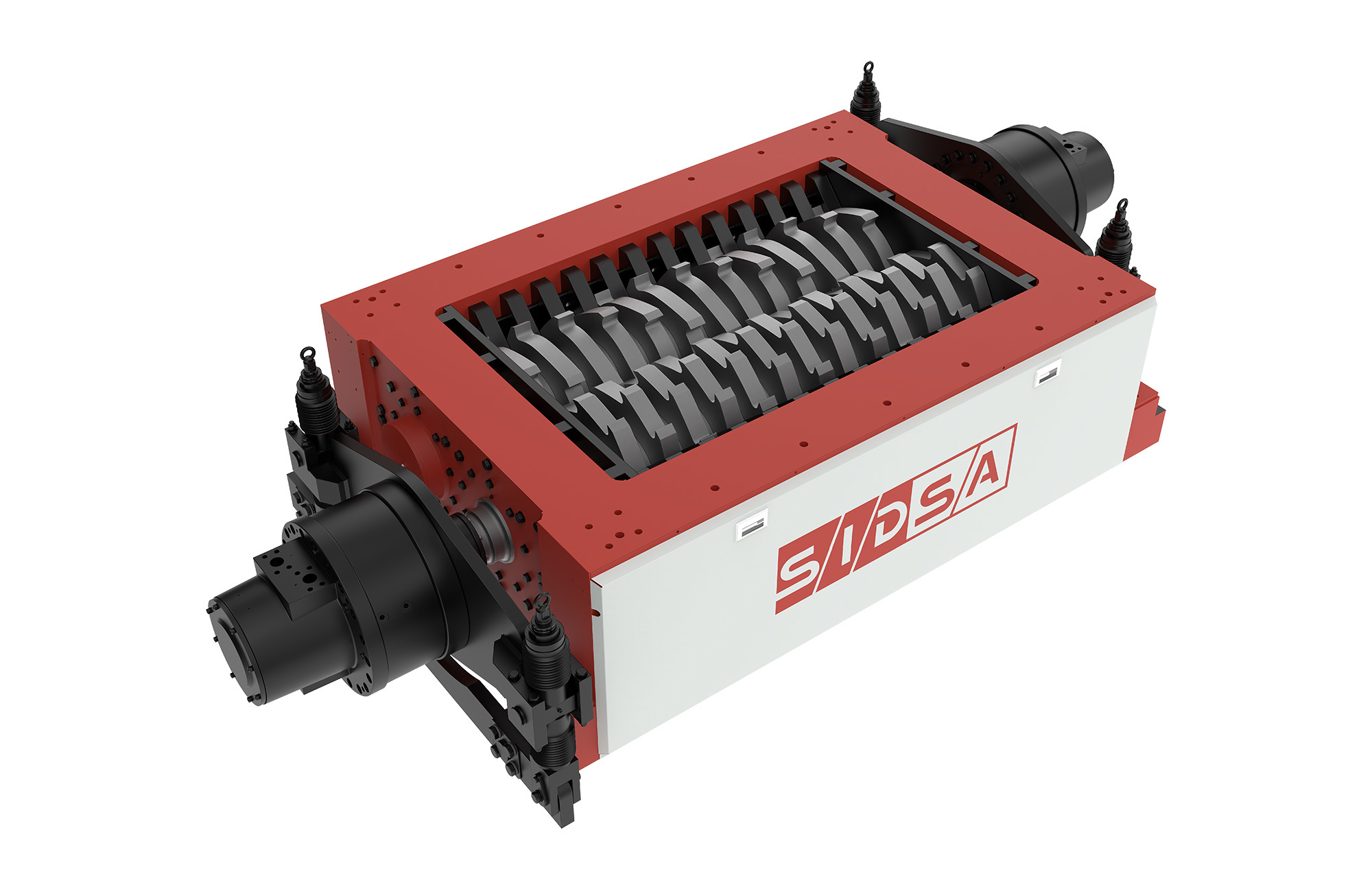
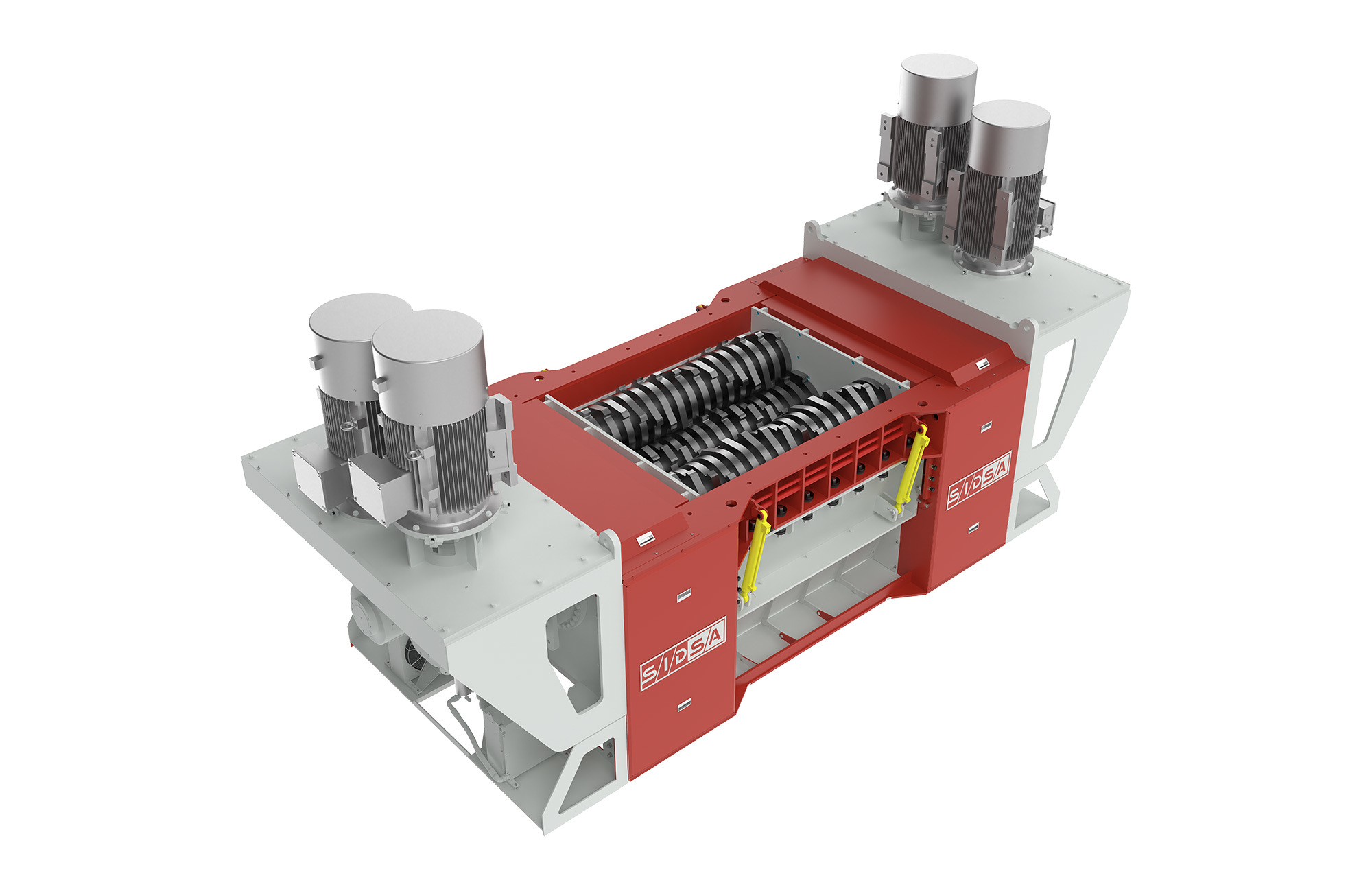
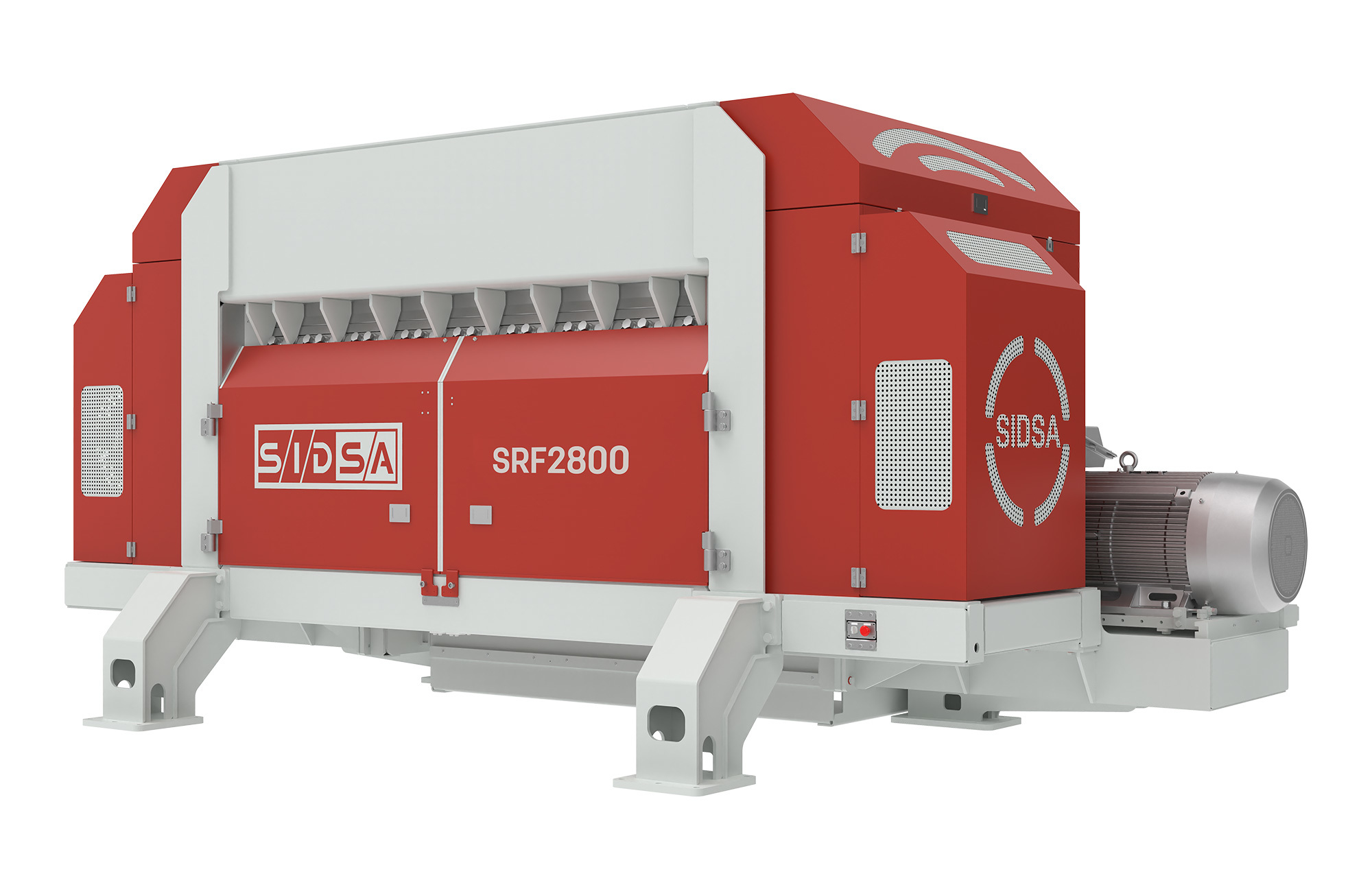
Once the material enters the shredder, the real core of pre-treatment begins. Taking SIDSA’s S 350 shredder as an example, its main task is to break down mixed-structure bulky items like sofas, mattresses, and cabinets into manageable sizes. It processes both soft and hard materials together and ensures a consistent output, creating the necessary conditions for smooth downstream sorting.

Magnetic separator
After shredding, the material moves into the ferrous metal removal stage. Common metal components in furniture—such as nails, hinges, and steel frames—are magnetically separated here. This not only reduces wear on downstream equipment but also enables effective recovery of recyclable metals.

Output
Finally, the material is discharged uniformly. After shredding and separation, bulky waste is transformed into material that is easier to stack, transport, and utilize for resource recovery.
Bulky waste processing may seem like just one link in urban waste management, but every step affects cost, efficiency, and environmental outcomes. Only by streamlining processes and utilizing efficient equipment can a city’s solid waste system operate smoothly, and resource cycling move beyond mere slogans.

In the future, SID will continue to optimize integrated solutions and refine every piece of equipment, helping more cities and projects achieve efficient resource recovery from bulky waste through stable and reliable production lines. We believe that every shredding and sorting step contributes to making cities cleaner, more energy-efficient, and truly fulfills the mission of turning "waste" into "resources" for discarded furniture.


What Else Might You Learn?
SIDSA focuses on technological research and innovation in the field of waste pretreatment


Product
SIDSA focuses on technological research and innovation in the field of waste pretreatment

Can't find the service you're looking for? Contact us!
To inquire about our products, please leave your email to us and we will contact you within 24 hours.
Whatsapp/Wechat
Add
SWITZERLAND SID SA Zone Industrielle 2123 Saint-Sulpice

MESSAGE