Experience Swiss Quality

SID | Why Waste Sorting Matters
Release Time:
Nov 24,2025
Many regard waste simply as "discarded items" that can be mixed without consequence. Yet, within waste management systems, household waste is far from worthless—it is a mixture of resources waiting to be unlocked. The purpose of sorting is to reduce waste, increase recycling rates, and alleviate urban environmental pressure.

01|Turning Household Waste into Industrial Alternative Fuel (RDF)
About 30%–45% of household waste consists of high-calorific combustible materials:
Food packaging, old clothes, paper scraps, foam materials, and more. Through processes such as shredding → screening → air separating, these materials are extracted and converted into RDF (Refuse Derived Fuel)
This processed waste can replace coal or petroleum coke in cement kilns or industrial boilers. What you discard today may soon be powering a city's cement production line.

02|Household Waste as an “Urban Mine”
Household waste contains various metals:
Beverage cans, aluminum foil packaging, small appliance fragments, tin cans, battery casings, and more. Through sorting, these can be transformed into Recycled metals (iron, aluminum, etc.)
These metals can be reborn as: Steel products, aluminum ingots, automotive parts, building materials, and more. The can from your last drink may one day become part of a skyscraper.

03|Tackling Plastic Pollution in Household Waste
Plastics are often the most underestimated yet significant category in household waste. Shopping bags, food packaging, drink bottles, takeout containers, and plastic films are virtually everywhere. Through sorting, these mixed plastics are systematically separated.
Relatively clean and single-type plastics can be further processed into Recycled plastic pellets, trash bins, and other industrial products.
Complex or hard-to-sort mixed plastics can be used as RDF/SRF combustible materials, leveraging their calorific value.

04|Recovering Pulp Fiber from Household Waste
Even "greasy, crumpled, or mixed with kitchen waste" paper has value. Paper is not single-use—it can be recycled at least seven times. Through screening and impurity removal processes, it can be transformed into various useful products, such as Recycled paperboard, takeout packaging boxes, industrial base paper, and certain types of toilet paper.
Contaminated or non-recyclable paper should be placed in designated bins. Such materials are typically disposed of through incineration (energy recovery) or sanitary landfilling to prevent soil and water pollution.

05|Reusing "Useless" Residuals
The remaining waste includes: Metal products, textiles, waste electrical and electronic equipment, inert materials (stones, glass fragments), moist organic matter, and more. After treatment, these can be repurposed as Raw materials for cement kilns, landfill cover soil, or base materials for construction (in some regions).
In fact, only 10–15% of basic household waste ultimately requires landfilling.
06|The Foundation: A Mature Treatment System
The value of waste lies not in the waste itself, but in the ability to separate it thoroughly and consistently. At SID, we provide not just individual equipment, but integrated and reliable solutions to make every step of resource recovery safe, efficient, and stable.

Core Process Stages Include:

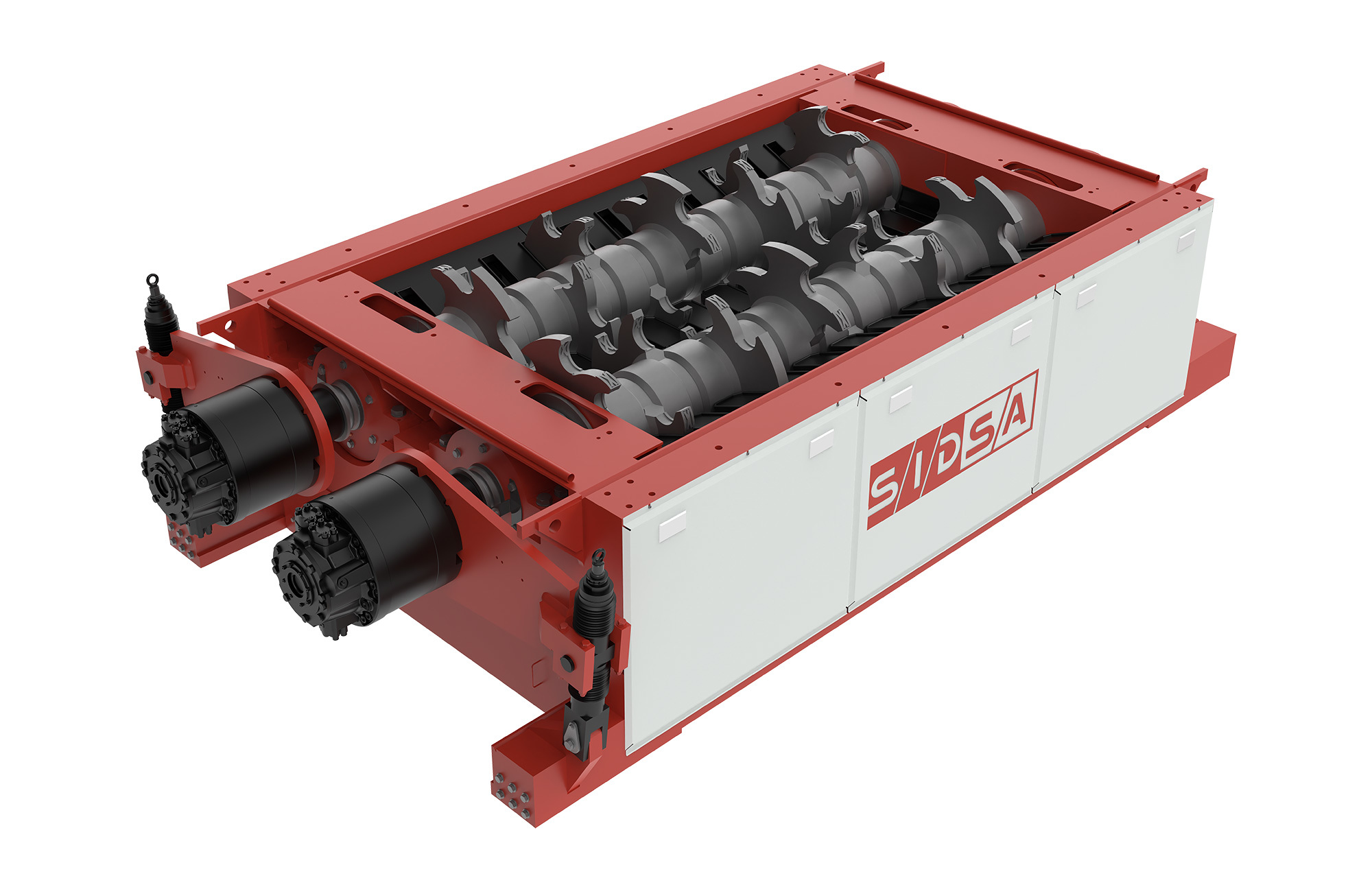
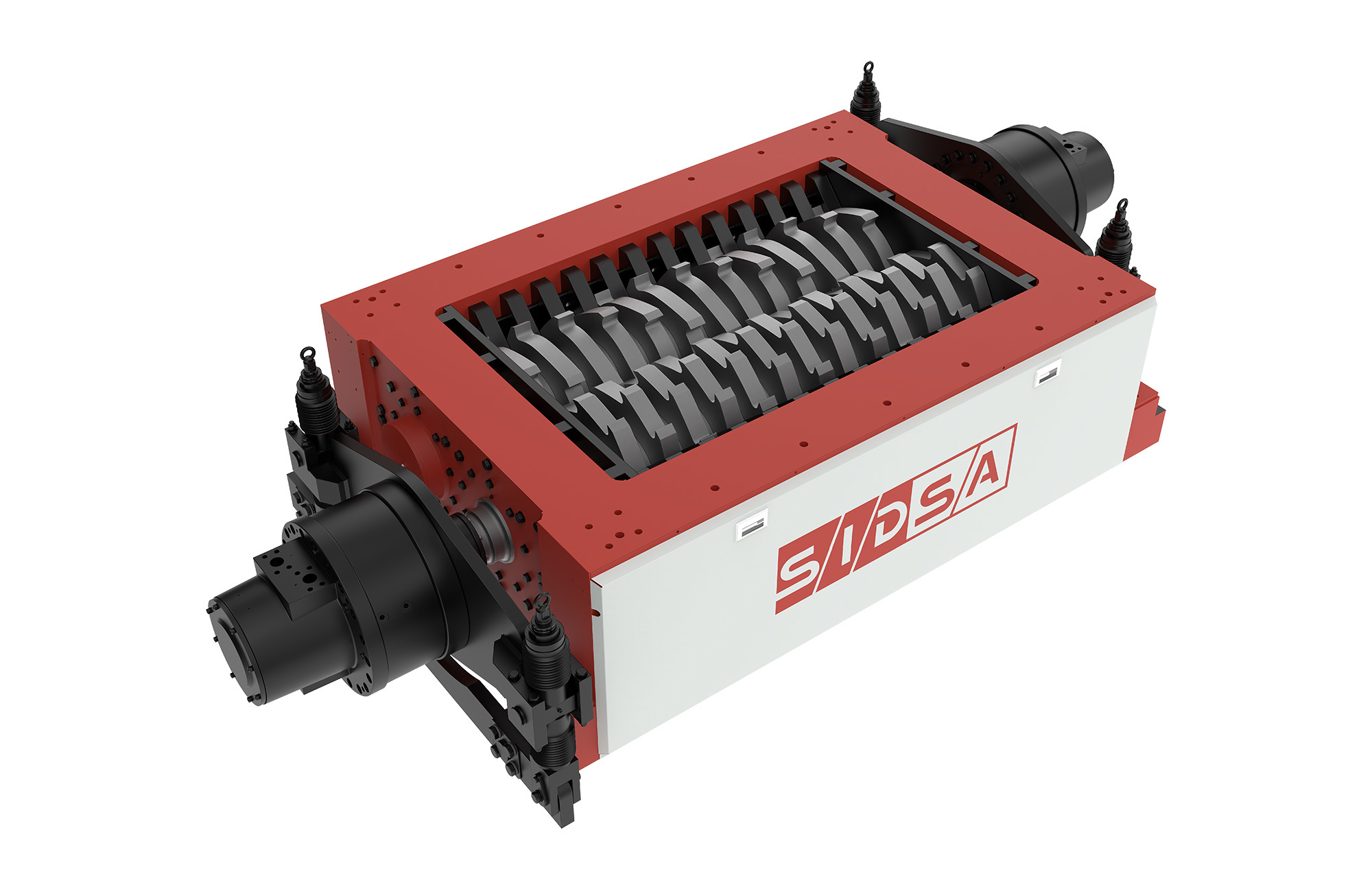
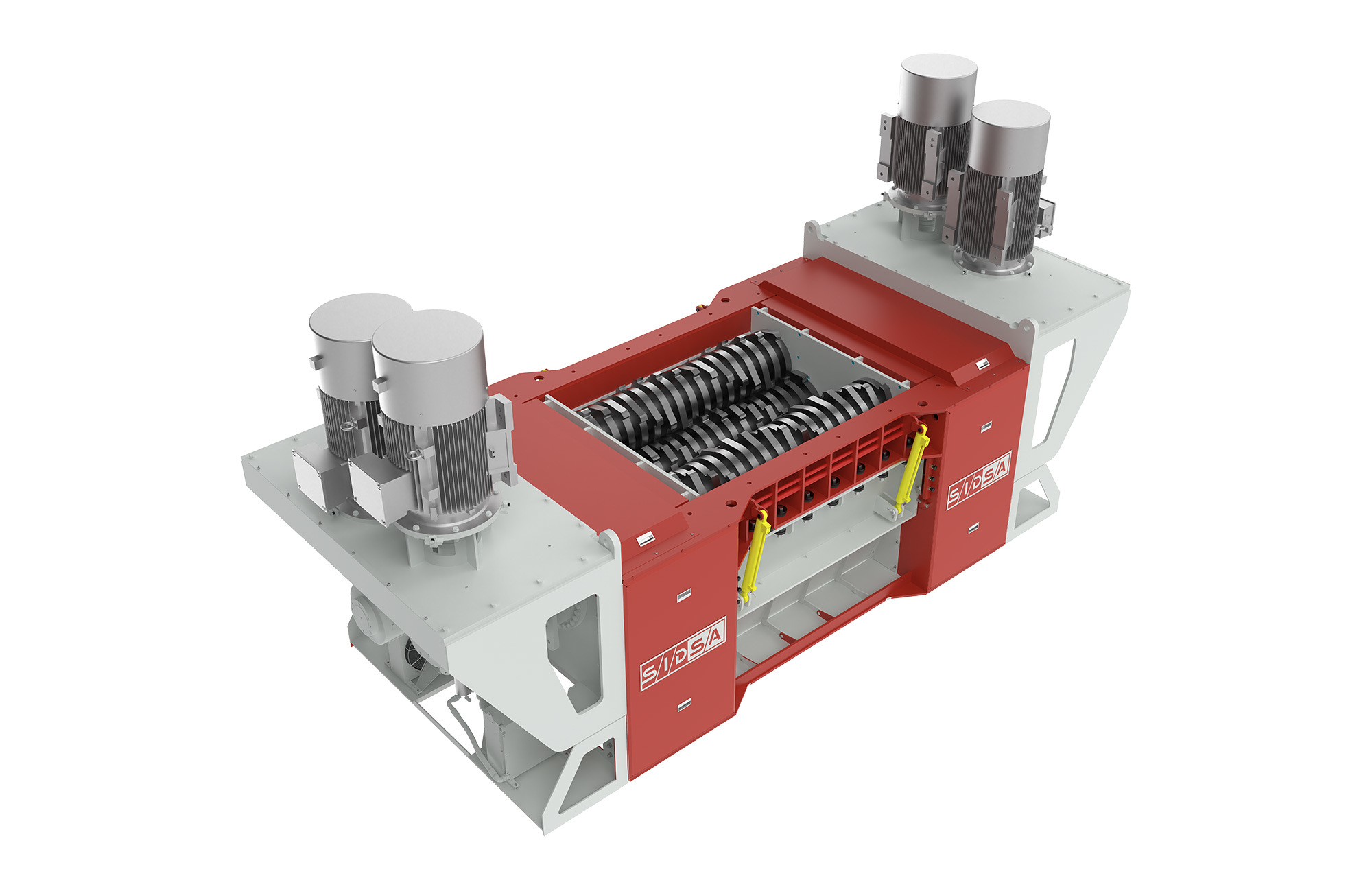
● Shredder: Reducing mixed waste into manageable particle sizes
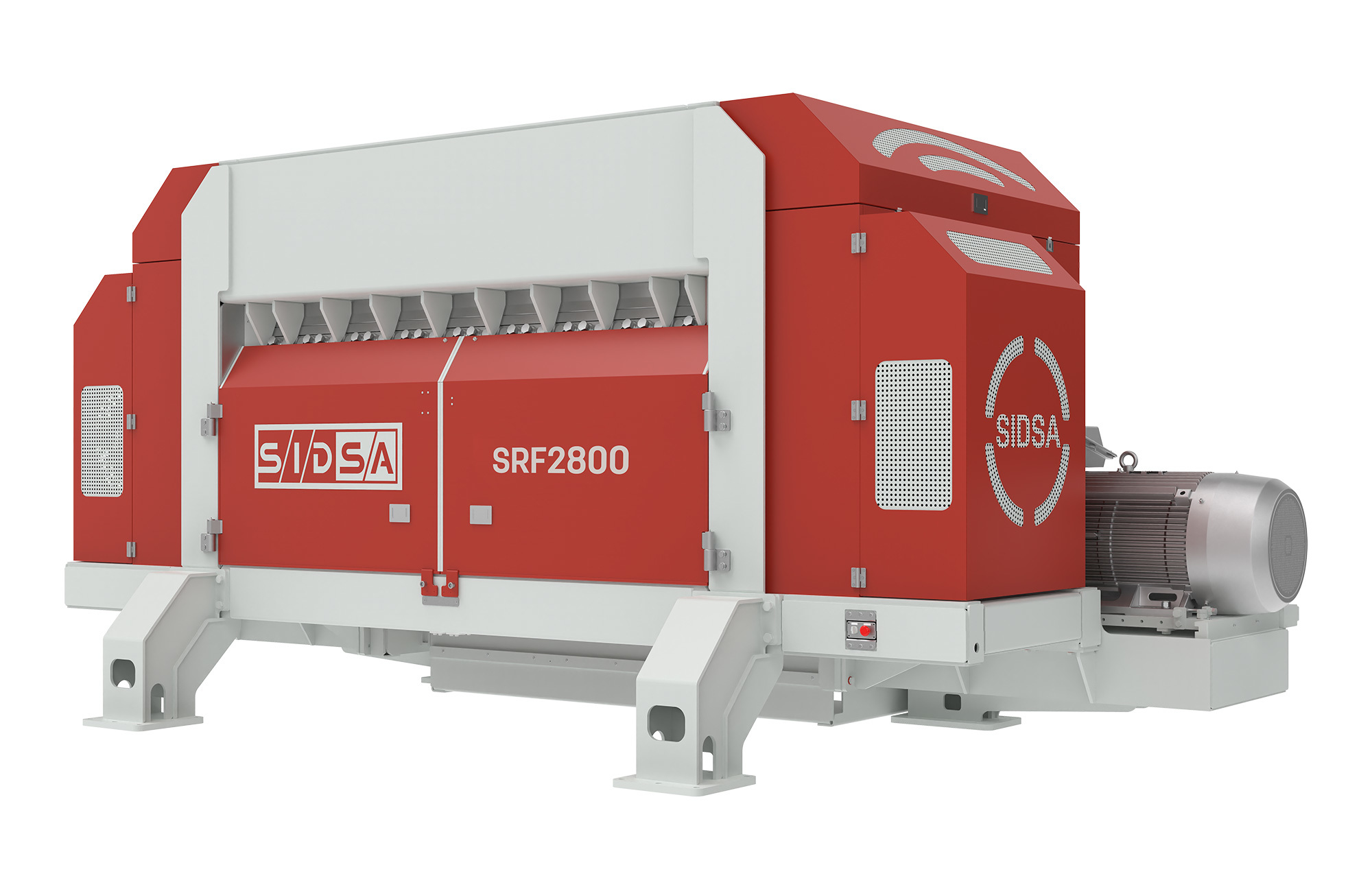
Waste complexity must first be "unlocked." Our shredders process challenging materials like plastics, packaging, branches, and rubber into uniform particle sizes, enabling effective downstream sorting.

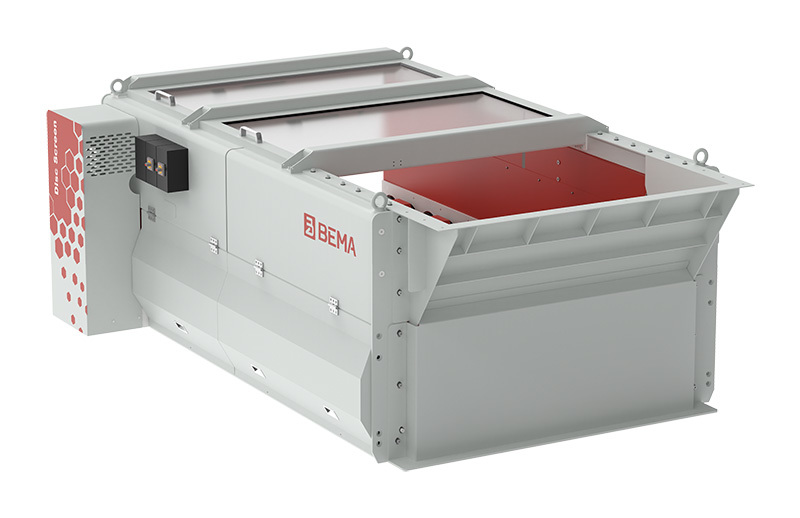
● Disc Screen: Classifying materials by size
The disc screen efficiently separates large and fine materials, offering high capacity, low energy consumption, a compact footprint, and long wear resistance.

● Air Separator: Separating light and heavy materials
Household waste contains distinct light materials (combustibles, fibers, plastic films) and heavy materials (glass, bricks, metals). The air separator utilizes density differences to achieve high-volume, efficient separation—key to RDF production, metal recovery, and inert material utilization.

● Metal Separation: Recovering ferrous metals
Magnetic separators accurately extract metal impurities, enhancing material purity.

● Belt Conveying System: Ensuring continuous and stable operation
Designed with European standards for safety and reliability, the conveyor system maintains consistent flow and uniform material distribution across shredding, screening, air separator, and metal recovery—guaranteeing long-term operational stability.
Finally, a Call to Action: Sort Diligently
Waste sorting isn’t about creating inconvenience—it’s about building a safer, more economical, efficient, and sustainable resource cycling system. A simple act of sorting can save the urban recycling system from countless detours.
SID has successfully delivered over 1,000 projects worldwide, consistently providing Swiss-quality products and services. We continue to perfect the "industrial magic" of waste resource recovery—but the real magic begins the moment you decide which bin to use.
Sort wisely—help resources find their way home.


What Else Might You Learn?
SIDSA focuses on technological research and innovation in the field of waste pretreatment



Product
SIDSA focuses on technological research and innovation in the field of waste pretreatment

Can't find the service you're looking for? Contact us!
To inquire about our products, please leave your email to us and we will contact you within 24 hours.
Whatsapp/Wechat
Add
SWITZERLAND SID SA Zone Industrielle 2123 Saint-Sulpice

MESSAGE