Experience Swiss Quality

Has Waste Sorting, a Hot Topic from a Few Years Ago, Suddenly "Cooled Down"?
Release Time:
Mar 10,2026

Remember when environmental protection meant obsessively sorting your trash?
Why is no one talking about it now?
Back in 2019, when Shanghai first implemented mandatory waste sorting, the entire Chinese internet was baffled by "dry" and "wet" waste. Yet, just a few years later, the topic seems to have faded from public discourse. It's not that we've forgotten, nor that the policies have been halted. The reality is that China's waste treatment technology has quietly achieved an incredible, unforeseen victory.
01 | The Silent Truth: A "Cost Shift" from Front-End to Back-End
Thinking back to a few years ago, when waste sorting was first rolled out, the momentum was immense. Public attention was focused on residential communities, right in front of every household's trash bin. But in the last couple of years, it's not just ordinary citizens who feel the topic has faded; even the media spotlight has shifted.
However, looking back from 2026, many people might have the illusion that this initiative has run its course.

Content of the image:Shanghai: Protect the Environment Starts with Waste Sorting. The "Strictest" Waste Sorting Rules Take Effect from July 1.
Image source: Screenshot from an online video
Social media is no longer flooded with sorting guides, the number of supervisors next to community bins has decreased, and in many places, sorting requirements seem less stringent. This "cooling down" in public discourse has led many to wonder:
Have the policies changed? Has waste sorting been abandoned?
As an enterprise long immersed in the solid waste treatment industry, the picture we see is entirely different.
This "silence" is not due to stagnation, but because the entire waste treatment system has completed a shift in focus from a "social movement" to "industrialized operations." The decrease in surface-level noise is precisely because the back-end processing systems are operating at full capacity, absorbing the previously visible social pressures into invisible industrial processes.
To understand this shift, we need to shift our gaze from the community bins and look at the monumental transformation China's waste treatment industry has undergone over the past two decades.
What Has Happened with Waste?
China's waste treatment history is essentially a history of technological evolution forced by sheer "volume."
Back in the early 2000s (2000-2010), China faced the problem of "cities besieged by waste." The core task was simple: just get the garbage away. Landfill was the dominant method, accounting for over 77% of treatment. Sophisticated sorting wasn't necessary; out of sight, out of mind.

The turning point came after 2011.
As environmental standards tightened and urban land became increasingly precious, the drawbacks of landfills became critical. China's waste treatment officially entered a decade-long leap in incineration capacity.
The advantages of incineration were overwhelming. It reduces waste volume by over 90% and recovers energy by using the heat to generate electricity fed into the grid. Driven strongly by policies, the capacity for household waste incineration exploded. According to Ministry of Housing and Urban-Rural Development statistics, by the end of 2022, China's daily urban household waste treatment capacity had reached a staggering 660,000 tons. For the first time, the proportion of waste treated by incineration surpassed landfill, exceeding 60%, making it the primary disposal method.
Large-scale mixed incineration was a remarkable leap in China's environmental history, efficiently safeguarding urban sanitation. However, technology and industry constantly march towards deeper resource utilization.
02 | Why Insist on Sorting When Incineration is Already Mature?
If incineration capacity is already so vast, why did the state invest enormous effort in promoting waste sorting?
This is not a denial of mixed incineration, but a necessary choice for the industry to climb the value chain after solving the basic "waste siege" crisis. When mixed treatment reaches its peak in scale, bottlenecks in further resource value extraction appear. Different waste components have vastly different economic and energy potentials.
Front-end sorting separates dry, high-calorific materials like waste plastics, textiles, and wood. Their combustion heat value can rival traditional coal. Kitchen waste can be sent for anaerobic digestion, transforming into valuable biomethane and agricultural organic fertilizer.
🔥 1 ton of thermal coal: ~5 million kcal
📄 1 ton of waste paper: ~3.5 million kcal
🌳 1 ton of waste wood: ~4 million kcal
🧥 1 ton of synthetic clothing: ~5.5 million kcal
♻️ 1 ton of waste plastic: ~8.5-10 million kcal

Front-end sorting unlocks immense resource potential at the back-end. The massive daily waste generated by China's 1.4 billion people is a valuable "urban mine." Implementing source separation is essentially the initial beneficiation of this mine. By effectively removing high-moisture kitchen waste, the remaining plastics, textiles, and wood can truly reveal their energy-rich potential. This not only significantly reduces the energy consumption of mixed treatment but also clarifies the destination of various materials, placing them at the starting line for resource circulation.

However, reaching the starting line doesn't mean they are ready for the industrial assembly line. Sorted materials still exist in bulky, complex forms, containing not only combustibles but also scrap metal, electronics, and bulky waste. Neither cement kilns seeking alternative fuels nor smelters refining recycled metals can directly process these oversized, intertwined materials. Forcing them into the process would cause severe blockages and wear.
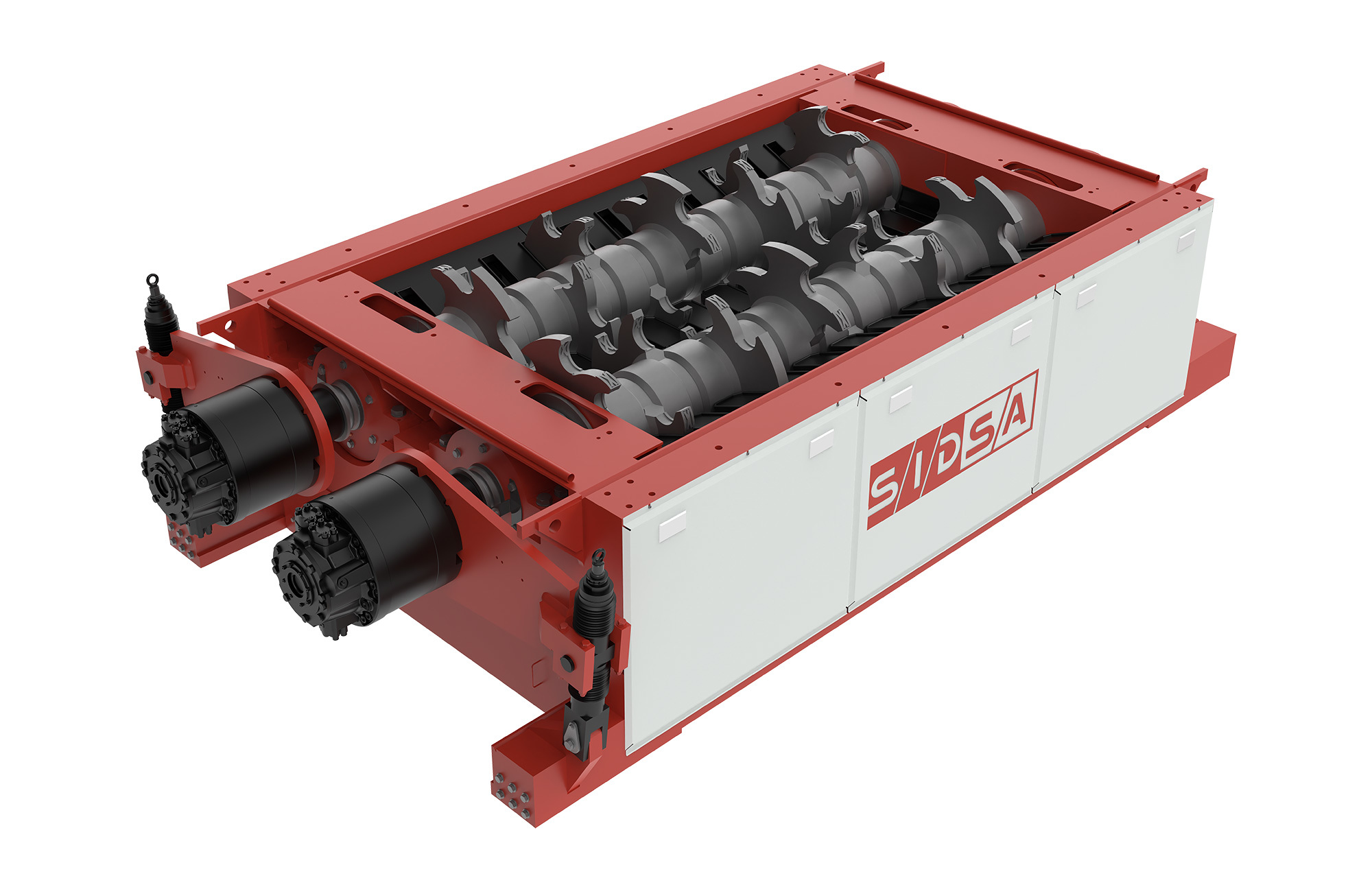
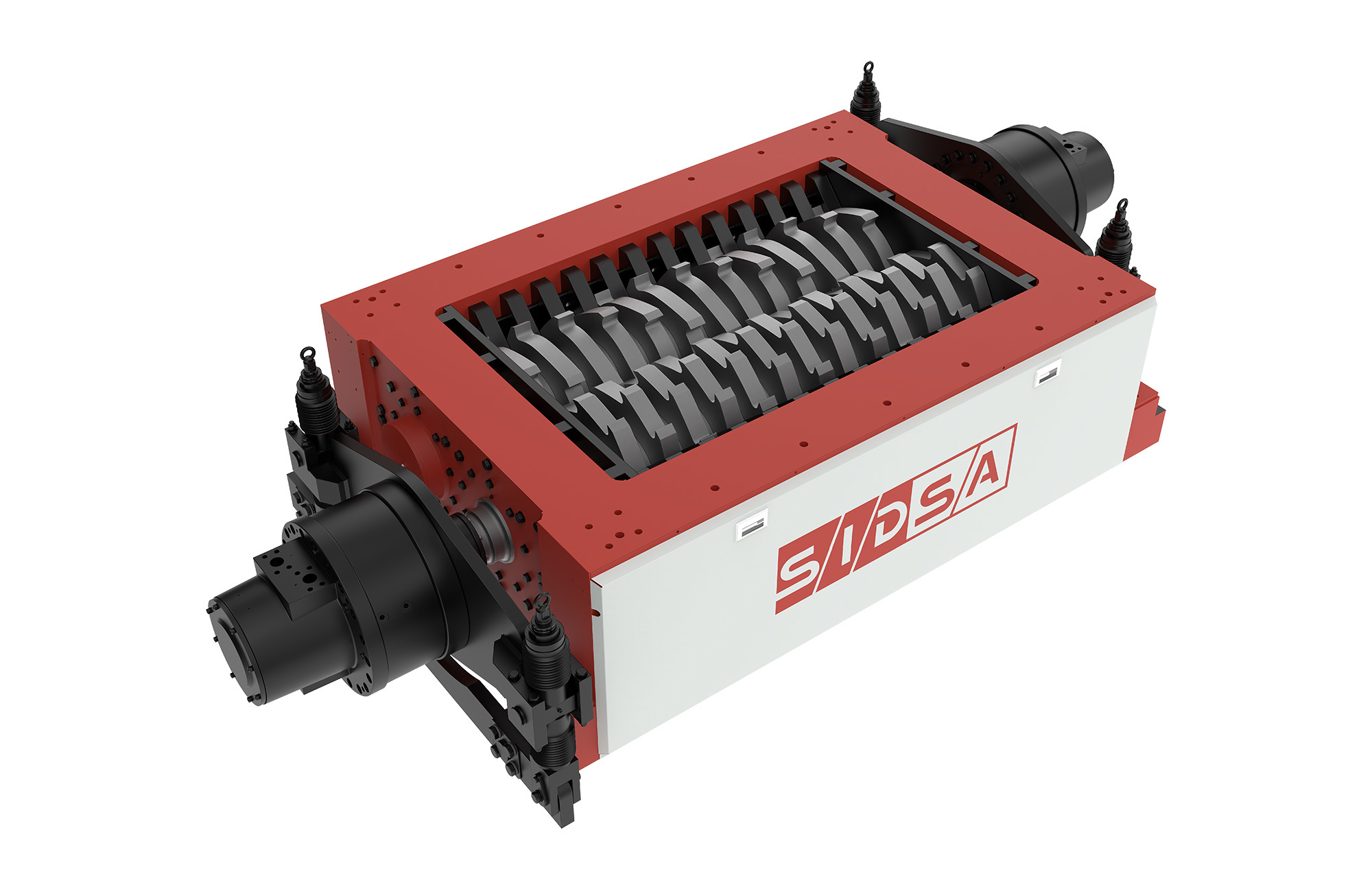
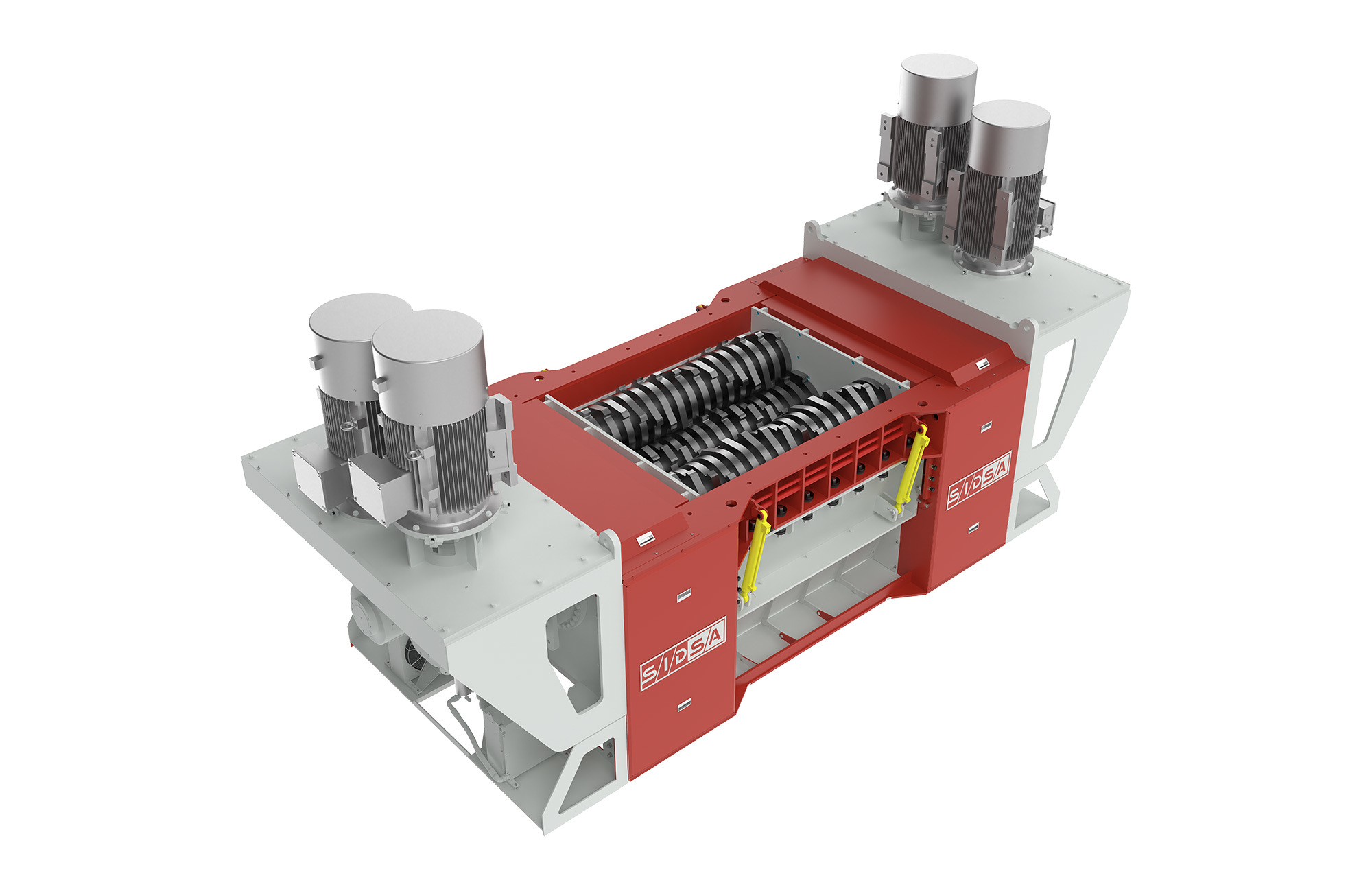
Crossing this physical gap requires professional solid waste shredding and pre-treatment processes. Using powerful heavy machinery for forceful tearing, precise shearing, and multi-dimensional impurity removal, the structure of complex materials is completely broken down. Only after this crucial transformation step can high-calorific waste become standardized fuel, and waste equipment yield pure metal fractions. Only then do the environmental benefits of source sorting truly materialize, becoming recyclable resources that modern industry can steadily utilize.
This logic can be abstract. Let's look at practical projects to see how technology recycles even poorly sorted waste. These cases best demonstrate the essential value of the pre-treatment stage.
03 | Cases: Waste-to-Resource Utilization
Our task is to use our equipment and technology to process these difficult, inseparable "tough nuts" into sizes suitable for subsequent processes – steadily and continuously.
Only by controlling the size, separating metals, and breaking down materials can waste become truly usable fuel (RDF/SRF) or fermentation feedstock.

Case 01: "Agricultural Alchemy" in Bengbu, Anhui
In Bengbu, Anhui, we participated in the world's first project integrating biomethane liquefaction and carbon capture.

Theoretically, it processes straw and livestock manure. In reality, the straw collected from fields is often mixed with soil, small stones, and even discarded agricultural film. Without thorough pre-treatment, these impurities would cause immense damage to the fermentation equipment.
Our hammer mills act as a powerful digester here. We not only break down the tough straw but also liberate any trapped impurities. Straw is tenacious; if not shredded sufficiently, subsequent anaerobic digestion efficiency plummets.

The results are significant: 170,000 tons of organic waste are fully utilized here annually. What do they become?
🟢 13,000 tons of liquefied biomethane, entering the energy grid.
🟢 50,000 tons of organic fertilizer, returning to farmland.
🟢 32,000 tons of industrial-grade liquid CO₂.
Case 2: Alternative Fuel Preparation in Thailand
Turning to Southeast Asia, in Thailand, we provided dozens of alternative fuel (SRF) preparation lines for local companies.

Power plants and cement kilns are major energy consumers, traditionally reliant on coal. Now, they aim to replace coal with waste. But cement kilns have strict fuel requirements: oversized particles lead to incomplete combustion, and low calorific value affects clinker quality.

This demands high output consistency from our shredders. On this Thai line, waste undergoes shredding, conveying, and screening to become SRF with uniform size and excellent combustion properties.
Ultimately, this saves clients tens of thousands of tons of coal annually 🔥.
Case 3: Clearing the Urban Arteries
Let's return to our surrounding urban household waste.
Municipal solid waste (MSW) has a high daily output, and you never know what's in the bag – leftover bones, old sneakers, or even a discarded small appliance.

Our projects face immense daily processing pressure. With fast-paced city life and dense populations, equipment downtime is unacceptable. Our equipment must be robust and stable, ensuring high throughput while shredding complex mixed waste into small particles suitable for incineration or biological treatment.

Ensuring downstream incinerators can process the material efficiently and completely, and that dioxin emissions stay within limits – all of this hinges on a reliable pre-treatment process.
04 | Technology is the Last Line of Defense, But Not the Only Answer
In reality, current waste sorting hasn't failed; it has simply entered a more mature adjustment phase. In this phase, social governance seeks a balance between management costs and effectiveness, while industrial technology proactively shoulders more responsibility.

As an enterprise rooted in environmental protection equipment manufacturing, we are dedicated to providing high-quality solutions and services for waste valorization, ultimately contributing to a better living environment.

Waste treatment is a complex systemic project requiring whole society collaboration. Within this chain, industrial technology always serves as the last line of defense for urban sanitation. However, the conscious sorting efforts of each of us truly determine the upper limit of resource recycling.
Waste is merely a resource in the wrong place, and your participation is the key to turning this potential into reality.


What Else Might You Learn?
SIDSA focuses on technological research and innovation in the field of waste pretreatment



Product
SIDSA focuses on technological research and innovation in the field of waste pretreatment

Can't find the service you're looking for? Contact us!
To inquire about our products, please leave your email to us and we will contact you within 24 hours.
Whatsapp/Wechat
Add
SWITZERLAND SID SA Zone Industrielle 2123 Saint-Sulpice

MESSAGE