Experience Swiss Quality

The Evolution of MSW Processing Technology: A Comprehensive Exploration of Primary Shredders
Release Time:
Jul 13,2026
The Evolution of MSW Processing Technology: A Focus on Primary Shredders
Table of Contents
- Introduction to MSW Processing Technology
- Historical Development of MSW Processing Technologies
- The Importance of Primary Shredders in Waste Management
- Types of Primary Shredders Used in MSW Processing
- Mechanism and Functionality of Primary Shredders
- Recent Advancements in Shredder Technology
- Applications of Primary Shredders in MSW Processing
- Future Trends in MSW Processing and Shredder Technology
- Conclusion
- Frequently Asked Questions
Introduction to MSW Processing Technology
The management of Municipal Solid Waste (MSW) has emerged as a critical concern for urban areas globally. With increasing population density, the complexity of waste generation necessitates advanced processing technologies to ensure efficient disposal and recycling. **Primary shredders** have become essential components in this ecosystem, serving as the first line of defense in waste reduction. Understanding their evolution and functionality is crucial for industry stakeholders aiming to enhance their waste management strategies.
Historical Development of MSW Processing Technologies
The journey of MSW processing can be traced back to the early 20th century, where rudimentary methods dominated waste management practices. Landfilling was the primary disposal method, leading to significant environmental challenges. Gradually, the need for more effective waste management solutions arose, paving the way for the development of **mechanical processing technologies**.
By the 1960s and 1970s, the introduction of incineration technologies began to shape the landscape of waste processing. However, high operational costs and environmental concerns limited their widespread adoption. It wasn’t until the late 20th century that the significance of shredding technology was recognized, as they proved effective in reducing waste volume and facilitating material recovery.
The Importance of Primary Shredders in Waste Management
**Primary shredders** play a pivotal role in the initial stages of waste processing. Their primary function is to reduce the size of incoming waste materials, making them more manageable for subsequent treatment processes, such as sorting, recycling, and energy recovery. The advantages of utilizing primary shredders in MSW processing include:
- **Volume Reduction**: Shredders decrease the waste volume by up to 75%, allowing for more efficient transportation and storage.
- **Material Recovery**: Shredding enhances the separation of recyclable materials, promoting a circular economy.
- **Improved Safety**: Handling smaller waste sizes minimizes the risk of injury during processing.
- **Enhanced Processing Efficiency**: Smaller materials facilitate faster processing in downstream operations.
The integration of shredders in waste management systems not only leads to operational efficiency but also contributes to environmental sustainability efforts.
Types of Primary Shredders Used in MSW Processing
Various types of primary shredders are utilized in the processing of municipal solid waste, each designed to cater to specific waste compositions and operational requirements. The most common types include:
Horizontal Shredders
Horizontal shredders utilize a horizontal rotor and are ideal for handling large volumes of waste. They excel in processing bulky items such as furniture, appliances, and commercial waste.
Vertical Shredders
Vertical shredders operate with a vertical rotor configuration and are typically used for smaller, lighter waste materials. They are efficient in shredding organic waste, plastics, and textiles.
Single-Shaft Shredders
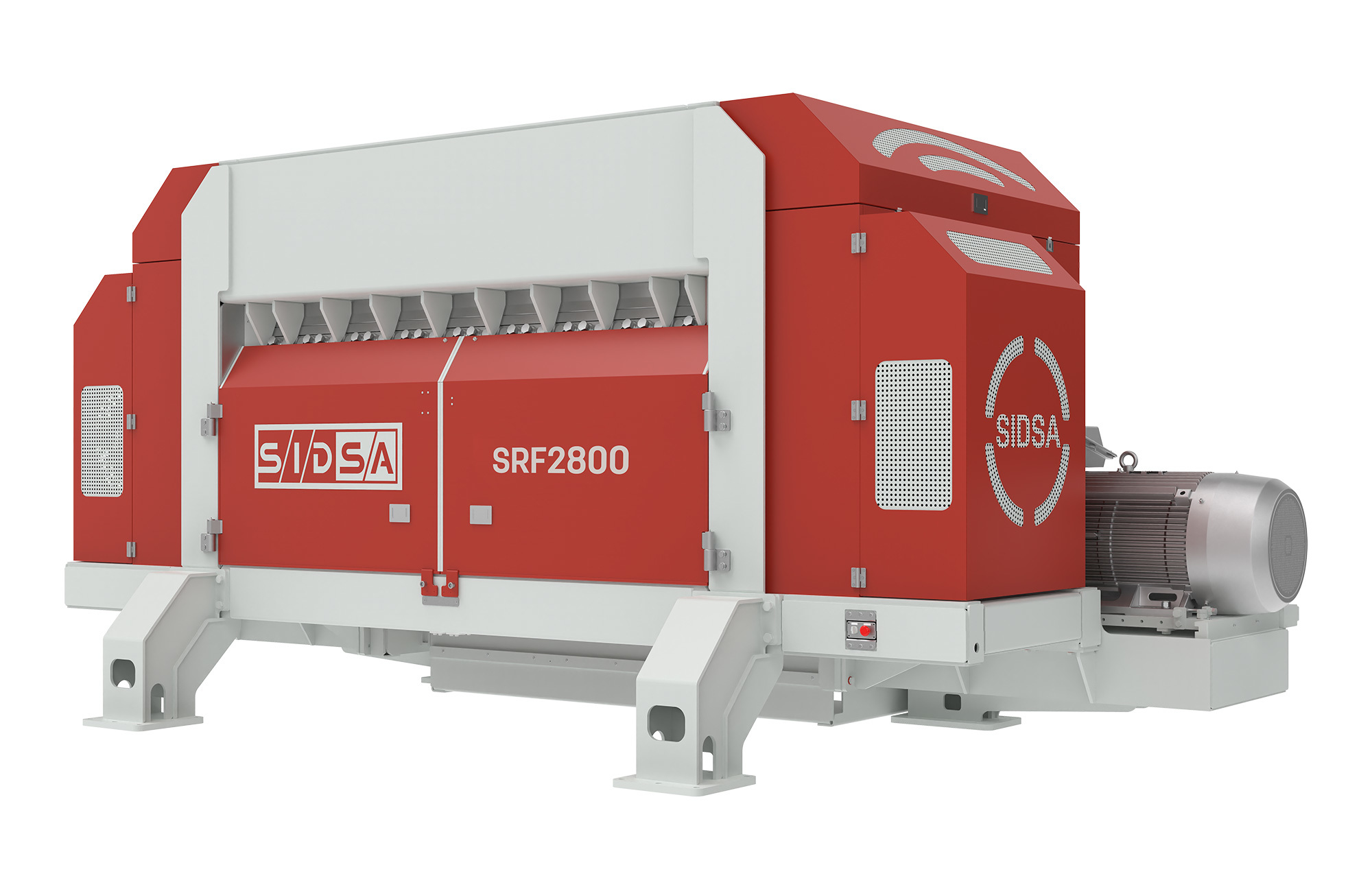
Single-shaft shredders are versatile machines that employ a single rotating shaft to shred materials. They are effective in producing uniform particle sizes and are commonly used in recycling operations.
Multi-Shaft Shredders
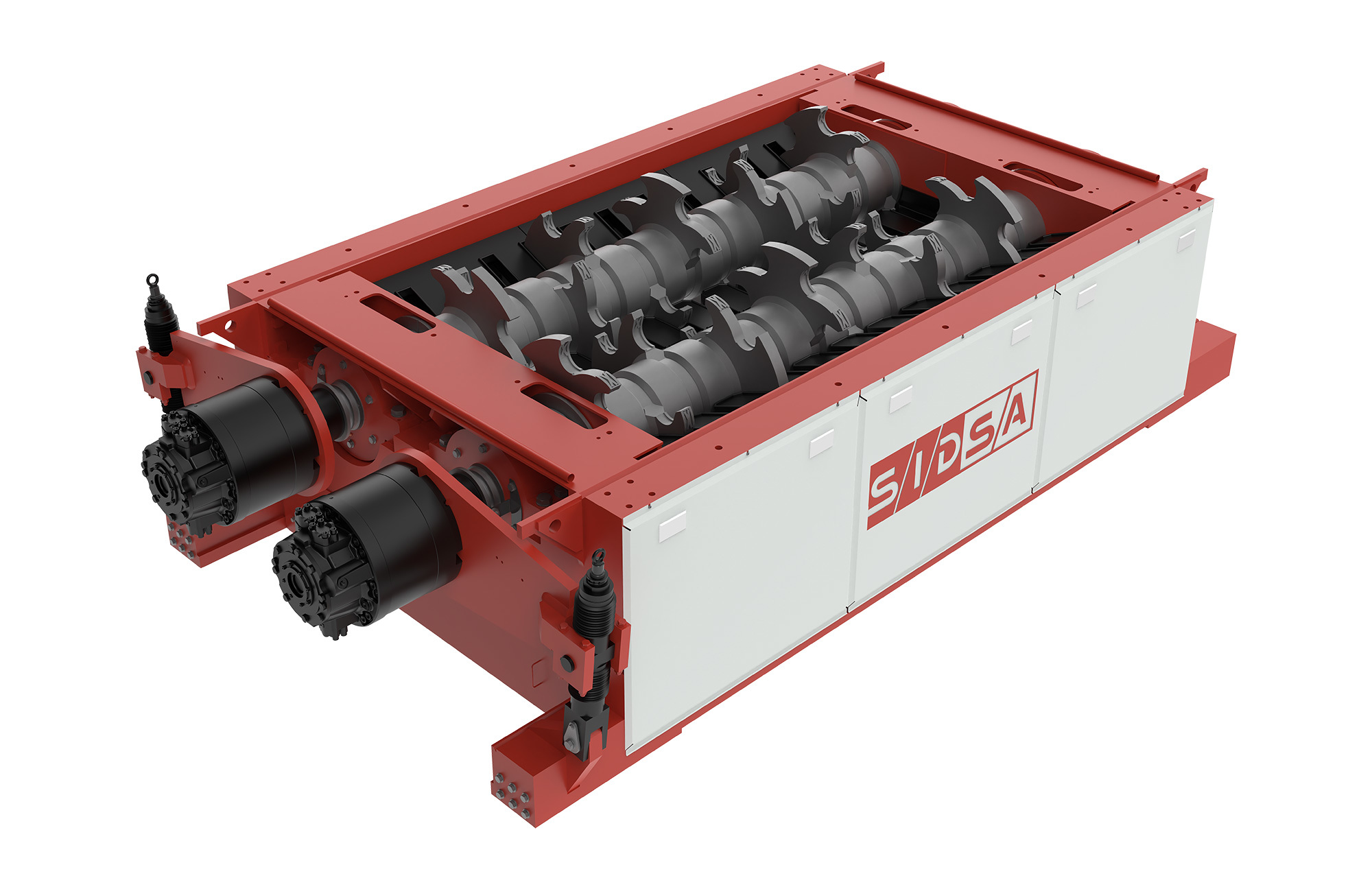
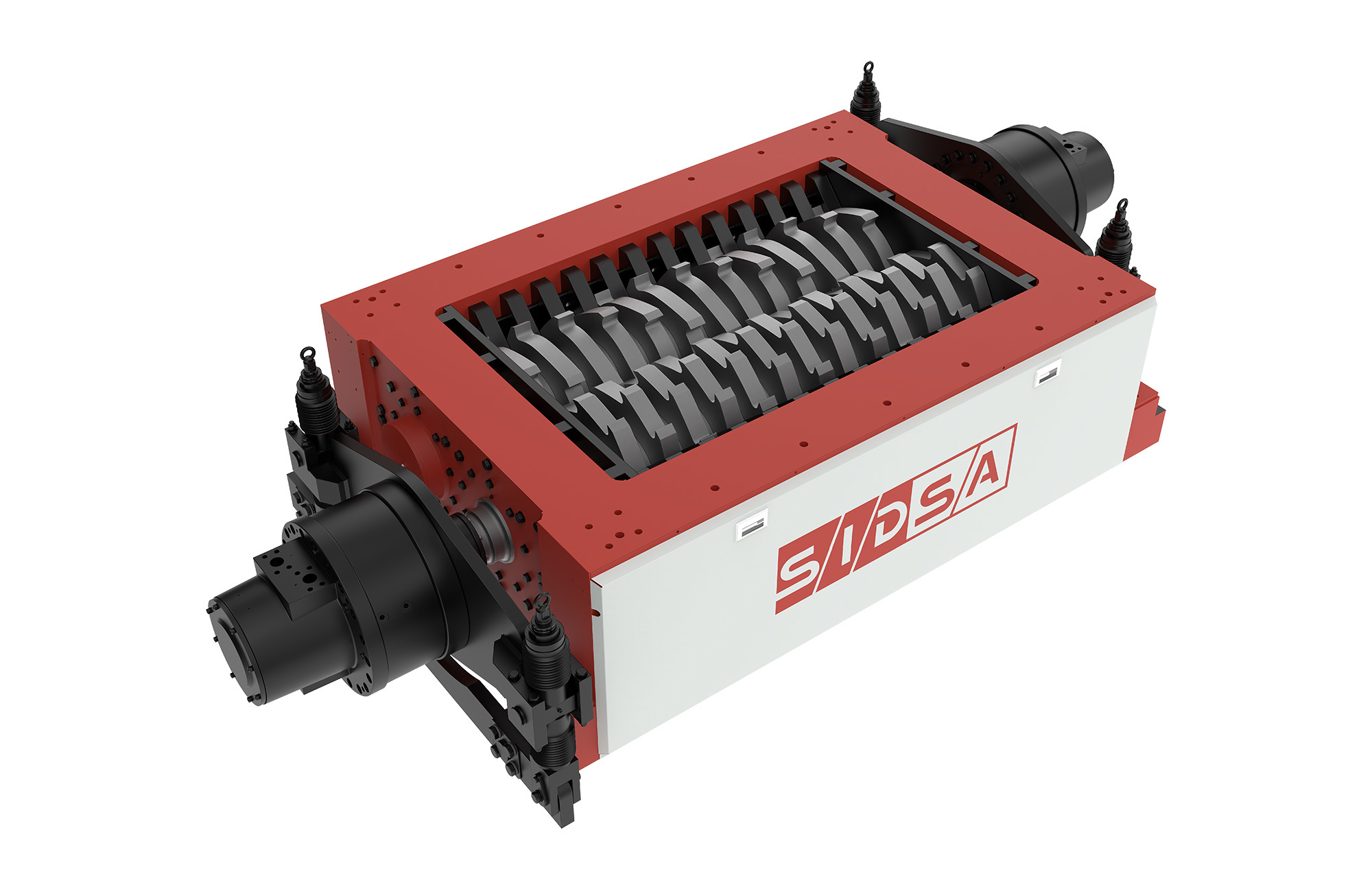
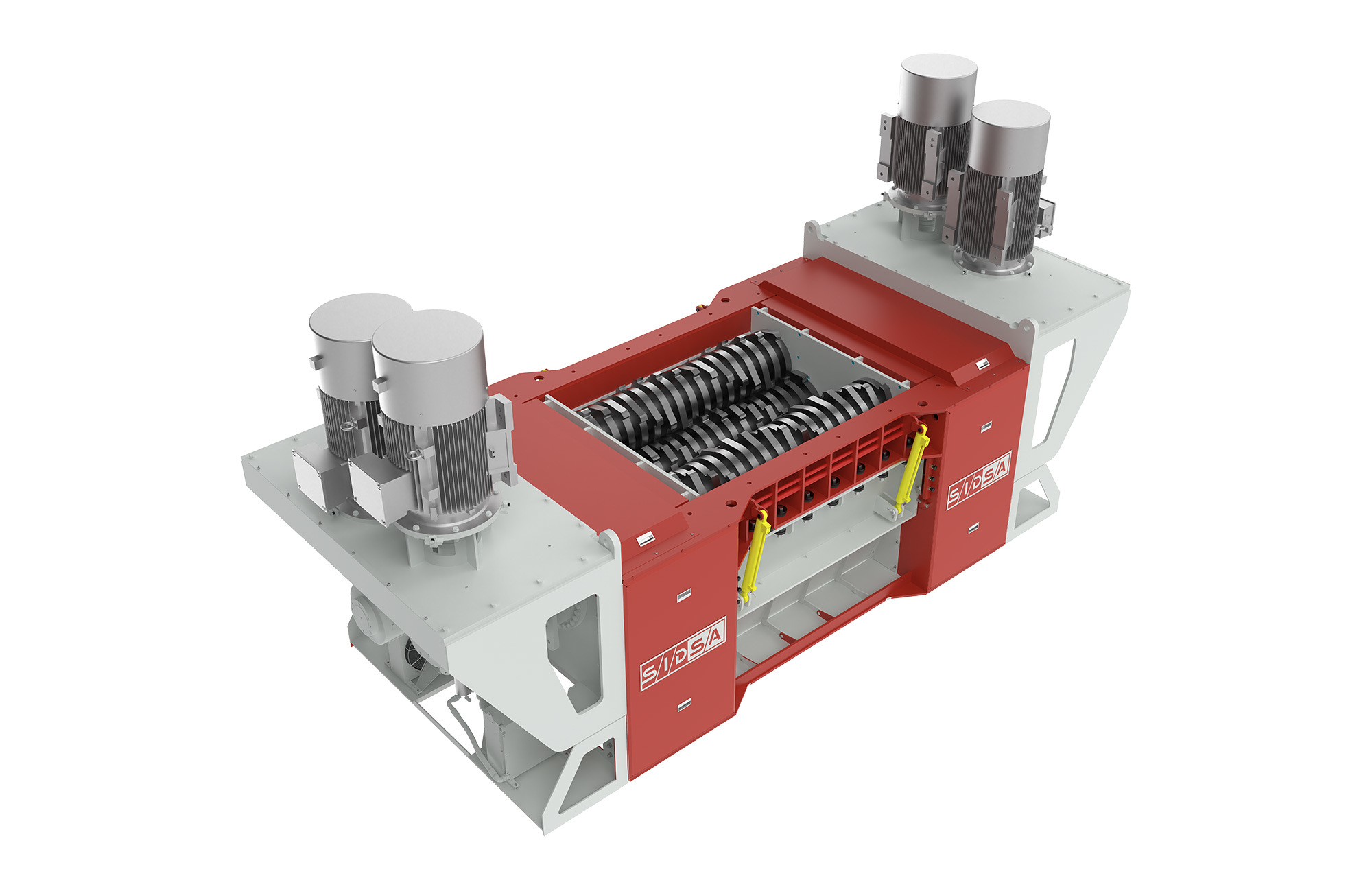
Multi-shaft shredders consist of multiple shafts working in tandem to shred materials into smaller pieces. They provide higher levels of reduction and are suitable for processing tougher materials.
Each type of shredder has unique characteristics that make it suitable for specific waste types, ensuring optimal performance in waste processing.
Mechanism and Functionality of Primary Shredders
Understanding the mechanism of primary shredders is essential to appreciate their functionality in MSW processing. These machines typically consist of the following components:
- **Rotors**: The rotor is the heart of the shredder, equipped with sharp blades or knives designed to cut through waste materials.
- **Feeding System**: The feeding system ensures a steady flow of waste material into the shredder, optimizing processing efficiency.
- **Screening System**: Many shredders include a screening mechanism that controls the particle size of the shredded material, allowing for customization based on end-use requirements.
- **Drive System**: The drive system powers the rotor, utilizing electric or hydraulic motors to deliver the required torque and speed.
The effective operation of these components ensures that primary shredders maintain high throughput rates while delivering consistent shredding performance.
Recent Advancements in Shredder Technology
The landscape of primary shredders has evolved significantly over the past few decades, driven by technological advancements. Key developments include:
Automation and Smart Technology
Modern shredders are increasingly equipped with automated systems and smart technologies, allowing for real-time monitoring and control. This enhances operational efficiency and minimizes downtime through predictive maintenance.
Energy Efficiency
With growing concerns about energy consumption, manufacturers have focused on developing energy-efficient shredders. These machines utilize advanced motors and drive systems to reduce energy usage while maintaining performance.
Enhanced Safety Features
The integration of safety features, such as automatic shut-off systems and improved ergonomics, has become a priority in shredder design. These enhancements protect operators and ensure compliance with safety regulations.
Modular Designs
Many new shredders feature modular designs that allow for easy upgrades and customization. This flexibility enables operators to adapt their shredding systems based on changing waste compositions and processing needs.
These advancements not only improve the operational capabilities of primary shredders but also contribute to the overall sustainability of waste management practices.
Applications of Primary Shredders in MSW Processing
Primary shredders find applications across various sectors of waste management, showcasing their versatility:
Residential Waste Management
In residential settings, primary shredders are employed to process household waste, including organic materials and recyclables. They facilitate efficient collection and transport to recycling facilities.
Commercial Waste Processing
Commercial establishments utilize primary shredders to manage large volumes of waste generated from their operations. Shredders enable effective separation and processing of diverse material types.
Construction and Demolition Waste
The construction sector produces significant amounts of waste that require shredding for recycling. Primary shredders are used to process wood, drywall, and metals, making it easier to reclaim valuable materials.
Industrial Waste Management
Industries generate complex waste streams that often require specialized processing. Primary shredders help reduce the size of industrial waste, making it more manageable for further treatment and disposal.
The adaptability of primary shredders to various waste types underscores their importance in modern waste management systems.
Future Trends in MSW Processing and Shredder Technology
As the waste management industry continues to evolve, several trends are expected to shape the future of primary shredders:
Sustainability Initiatives
With increasing emphasis on sustainability, the future of shredders will likely focus on enhancing their role in material recovery and recycling efforts. Manufacturers may develop shredders that maximize the recovery of recyclable materials.
Integration of Artificial Intelligence
The incorporation of artificial intelligence in waste processing technologies will enable smarter shredding operations, optimizing performance based on real-time data analytics.
Enhanced Customization
Future shredders may offer greater customization options, allowing operators to tailor machines to their specific waste processing needs, including adaptability to emerging waste materials.
Collaboration and Partnerships
The future success of shredders will also depend on collaborative efforts between manufacturers, waste management companies, and regulatory bodies to create effective waste processing frameworks.
These trends point towards a future where primary shredders play an even more integral role in sustainable waste management practices.
Conclusion
The evolution of MSW processing technology, particularly the advancements in primary shredders, highlights the critical role these machines play in effective waste management. As society continues to grapple with the challenges of waste disposal and environmental sustainability, primary shredders will remain invaluable in reducing waste volume, enhancing material recovery, and improving processing efficiency. By understanding their development, functionality, and future trends, industry stakeholders can make informed decisions that drive progress in waste management practices.
Frequently Asked Questions
What is the primary function of a primary shredder?
The primary function of a primary shredder is to reduce the size of various waste materials, facilitating easier handling, transportation, and processing.
How do primary shredders contribute to recycling efforts?
Primary shredders enhance recycling efforts by breaking down waste into smaller, manageable pieces, allowing for better separation and recovery of recyclable materials.
What types of materials can be processed by primary shredders?
Primary shredders can process a wide range of materials, including organic waste, plastics, metals, textiles, and construction debris.
What are the safety features commonly found in modern shredders?
Modern shredders often include safety features such as automatic shut-off systems, ergonomic designs, and protective guards to ensure operator safety.
How is technology advancing in the shredder industry?
Advancements in the shredder industry include the integration of automation, energy-efficient designs, smart technology, and modular construction, enhancing overall performance and sustainability.
By exploring the evolution and significance of primary shredders in MSW processing, this article serves as a comprehensive resource for understanding their critical role in sustainable waste management and the ongoing advancements in the field.


What Else Might You Learn?
SIDSA focuses on technological research and innovation in the field of waste pretreatment


Product
SIDSA focuses on technological research and innovation in the field of waste pretreatment

Can't find the service you're looking for? Contact us!
To inquire about our products, please leave your email to us and we will contact you within 24 hours.
Whatsapp/Wechat
Add
SWITZERLAND SID SA Zone Industrielle 2123 Saint-Sulpice

MESSAGE