Experience Swiss Quality

Unlocking Efficiency: The Role of 4-Shaft Shredders in Scrap Metal Processing
Release Time:
Jul 18,2026
In the ever-evolving landscape of manufacturing and processing machinery, the 4-shaft shredder for scrap metal stands out as an essential tool for the recycling industry. Designed to handle a variety of scrap materials, these machines offer superior efficiency and versatility, making them a preferred choice in metal recycling operations.
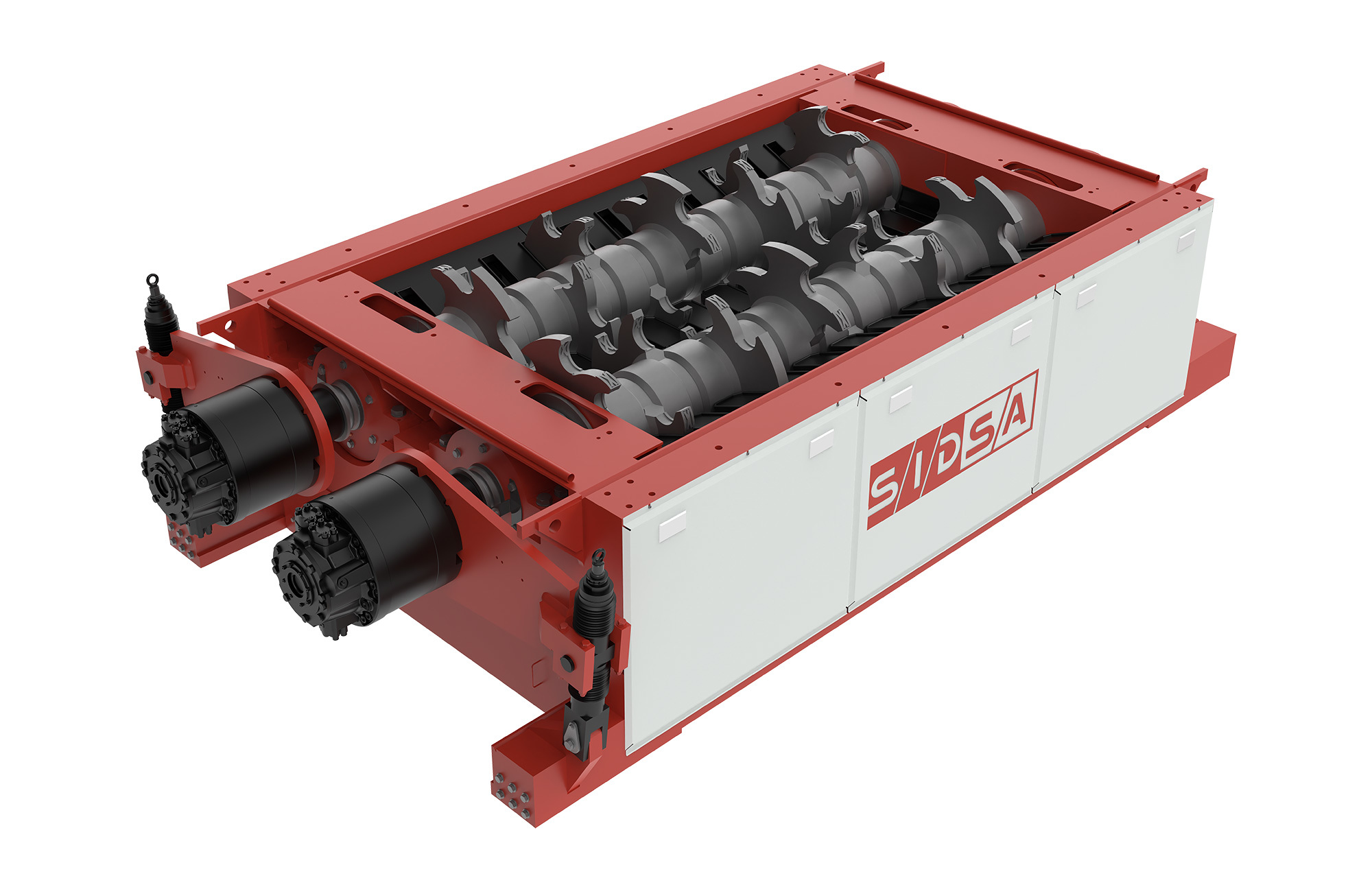
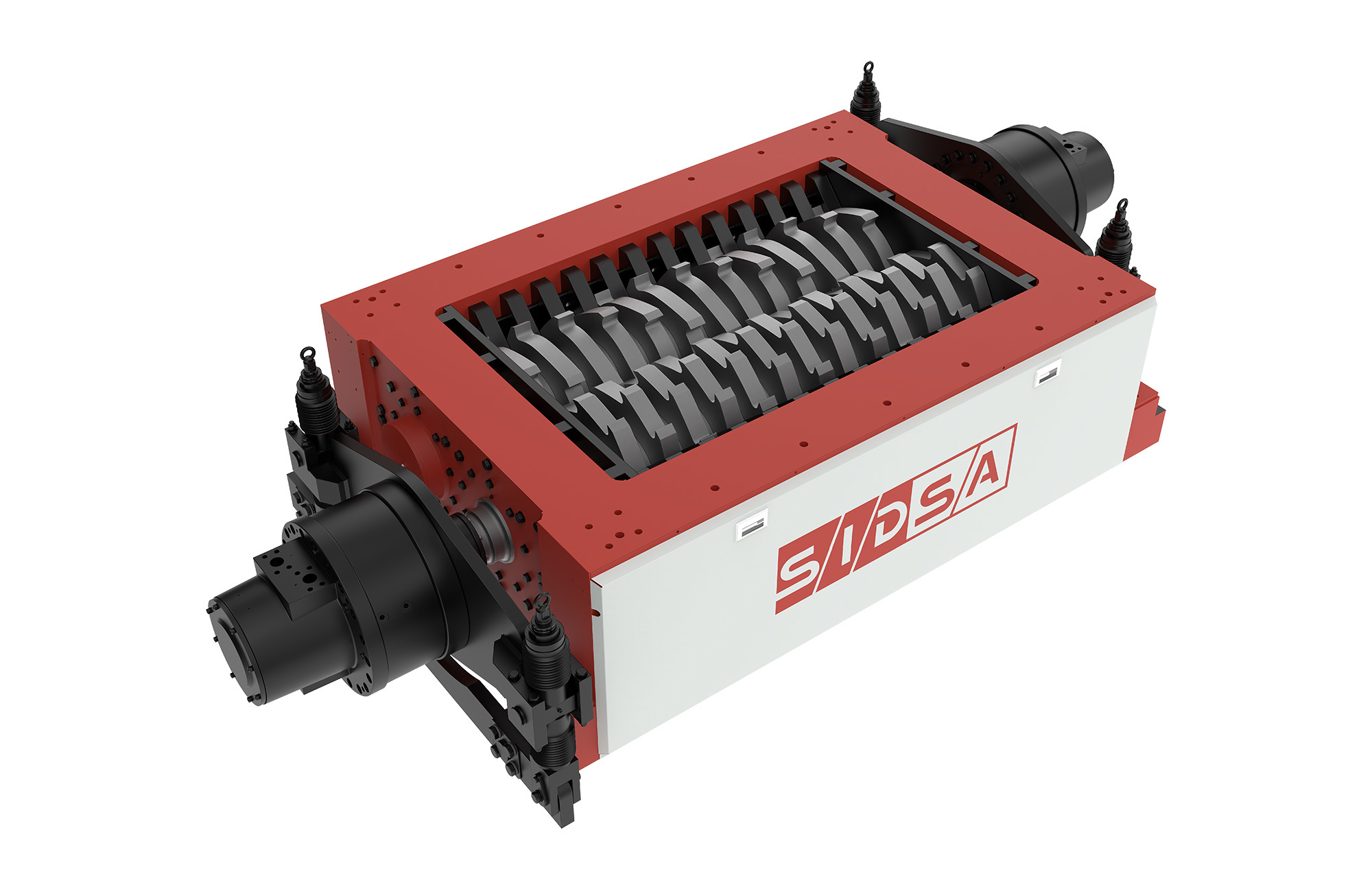
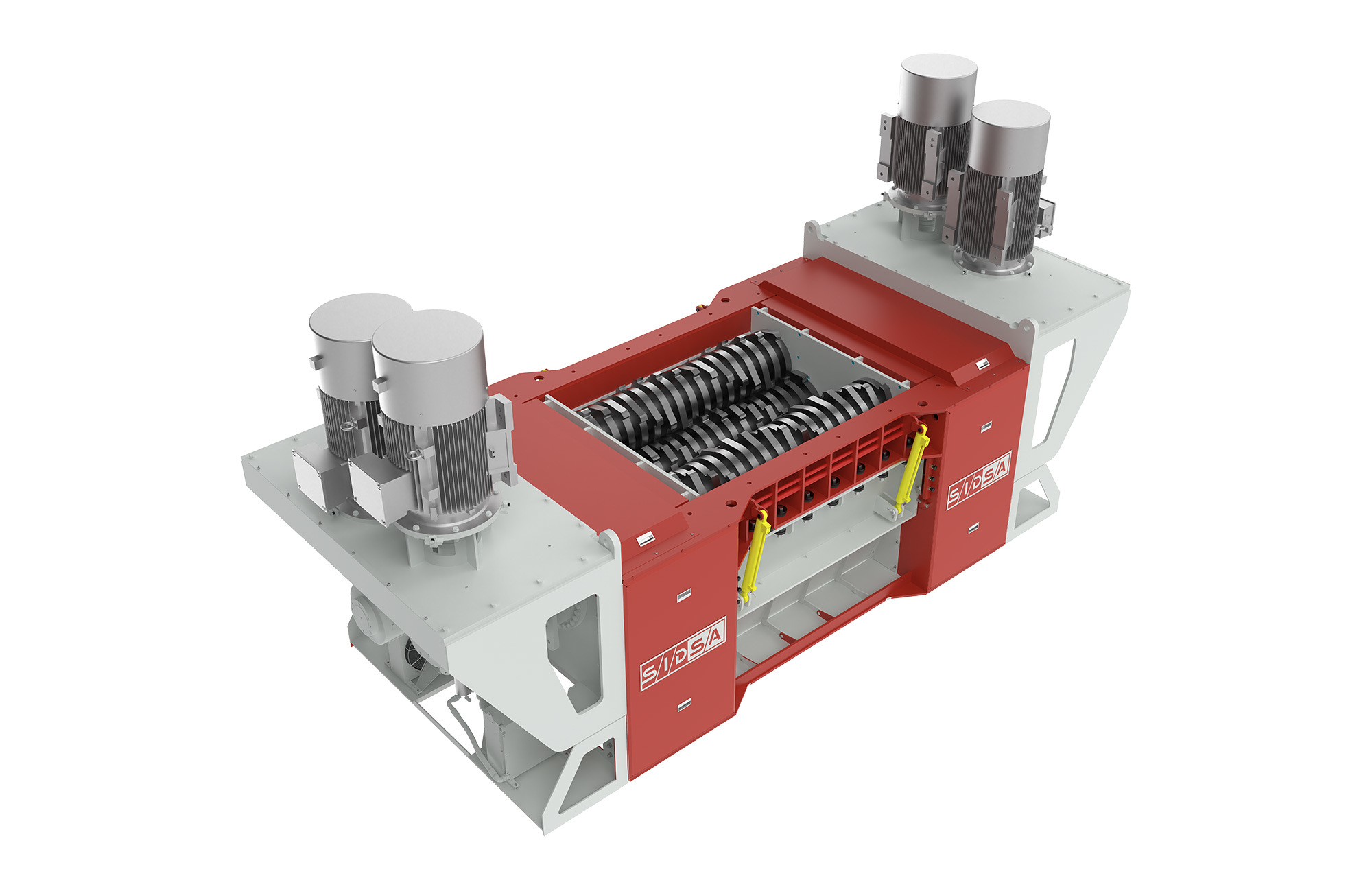
The primary function of a 4-shaft shredder is to reduce large volumes of scrap metal into smaller, manageable pieces, facilitating easier handling and recycling. Unlike traditional shredders, which typically utilize two shafts, 4-shaft shredders employ four parallel shafts that work in a synchronized manner. This unique design allows for a more consistent and controlled shredding process, resulting in uniform particle sizes that are ideal for further processing.
One of the key advantages of a 4-shaft shredder for scrap metal is its ability to shred tough materials, including various types of metals, plastics, and composites. The robust construction and multiple cutting shafts enable these machines to tackle dense and heavy materials that would otherwise be challenging for standard shredders. This capability not only enhances operational efficiency but also contributes to higher recovery rates of valuable metals from mixed material streams.
Furthermore, 4-shaft shredders are equipped with advanced features that enhance safety and ease of operation. Their design often includes automated controls and monitoring systems that allow operators to adjust parameters quickly, ensuring optimal shredding performance. This adaptability is crucial in a dynamic recycling environment where the composition of scrap metal can vary significantly.
Environmental sustainability is another pressing concern in the manufacturing and recycling sectors. Utilizing a 4-shaft shredder for scrap metal plays a vital role in promoting eco-friendly practices. By efficiently processing scrap materials, these machines help reduce landfill waste and lower the need for virgin materials, thus conserving natural resources. In addition, the recycling of metals significantly reduces energy consumption compared to the extraction and processing of new metals, leading to a smaller carbon footprint for the industry.
In conclusion, a 4-shaft shredder for scrap metal is a powerful asset for businesses focused on metal recycling. With their ability to process diverse materials efficiently, enhance safety in operations, and support sustainable practices, these shredders offer a comprehensive solution for modern recycling challenges. As the demand for recycled metals continues to grow, investing in advanced shredding technologies will be crucial for any operation aiming to stay competitive in the market.
The primary function of a 4-shaft shredder is to reduce large volumes of scrap metal into smaller, manageable pieces, facilitating easier handling and recycling. Unlike traditional shredders, which typically utilize two shafts, 4-shaft shredders employ four parallel shafts that work in a synchronized manner. This unique design allows for a more consistent and controlled shredding process, resulting in uniform particle sizes that are ideal for further processing.
One of the key advantages of a 4-shaft shredder for scrap metal is its ability to shred tough materials, including various types of metals, plastics, and composites. The robust construction and multiple cutting shafts enable these machines to tackle dense and heavy materials that would otherwise be challenging for standard shredders. This capability not only enhances operational efficiency but also contributes to higher recovery rates of valuable metals from mixed material streams.
Furthermore, 4-shaft shredders are equipped with advanced features that enhance safety and ease of operation. Their design often includes automated controls and monitoring systems that allow operators to adjust parameters quickly, ensuring optimal shredding performance. This adaptability is crucial in a dynamic recycling environment where the composition of scrap metal can vary significantly.
Environmental sustainability is another pressing concern in the manufacturing and recycling sectors. Utilizing a 4-shaft shredder for scrap metal plays a vital role in promoting eco-friendly practices. By efficiently processing scrap materials, these machines help reduce landfill waste and lower the need for virgin materials, thus conserving natural resources. In addition, the recycling of metals significantly reduces energy consumption compared to the extraction and processing of new metals, leading to a smaller carbon footprint for the industry.
In conclusion, a 4-shaft shredder for scrap metal is a powerful asset for businesses focused on metal recycling. With their ability to process diverse materials efficiently, enhance safety in operations, and support sustainable practices, these shredders offer a comprehensive solution for modern recycling challenges. As the demand for recycled metals continues to grow, investing in advanced shredding technologies will be crucial for any operation aiming to stay competitive in the market.


What Else Might You Learn?
SIDSA focuses on technological research and innovation in the field of waste pretreatment


Product
SIDSA focuses on technological research and innovation in the field of waste pretreatment

Can't find the service you're looking for? Contact us!
To inquire about our products, please leave your email to us and we will contact you within 24 hours.
Whatsapp/Wechat
Add
SWITZERLAND SID SA Zone Industrielle 2123 Saint-Sulpice

MESSAGE