Experience Swiss Quality

Unlocking Efficiency: The Advantages of High-Speed Disc Screens for RDF
Release Time:
Jul 19,2026
Unlocking Efficiency: The Advantages of High-Speed Disc Screens for RDF
Introduction to High-Speed Disc Screens
In the ever-evolving landscape of manufacturing and recycling, efficiency is paramount. High-speed disc screens have emerged as an essential tool in the processing of refuse-derived fuel (RDF). By utilizing innovative technology, these machines significantly enhance material separation, leading to improved operational efficiency. In this article, we will delve into the various advantages of high-speed disc screens and how they contribute to optimizing RDF production.
What is Refuse-Derived Fuel (RDF)?
Before exploring the benefits of high-speed disc screens, it's crucial to understand what RDF is. Refuse-derived fuel is a fuel produced from various types of waste, including municipal solid waste, industrial waste, and other non-recyclable materials. RDF is processed to create a fuel source that can replace traditional fossil fuels, making it a cleaner and more sustainable energy option.
The Importance of Efficient RDF Processing
Efficient processing of RDF is vital for several reasons:
1. **Environmental Impact**: Proper RDF processing reduces landfill waste and minimizes the environmental footprint.
2. **Cost Savings**: Efficient separation and processing can lead to significant cost reductions in waste management.
3. **Energy Recovery**: Effective RDF production maximizes the energy recovered from waste, contributing to sustainable energy solutions.
How High-Speed Disc Screens Work
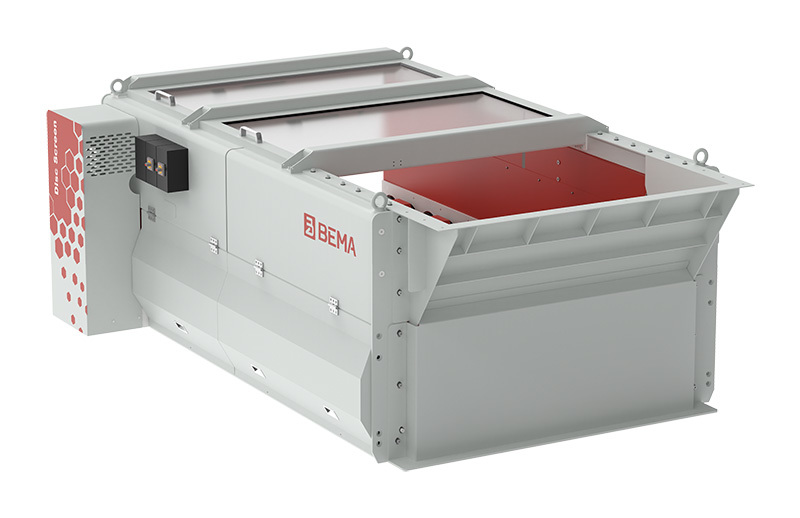
High-speed disc screens employ a series of rotating discs to separate materials by size and weight. The design allows for precise separation, making them ideal for RDF production. The machine operates at high speeds, facilitating rapid processing of large volumes of material.
Components of High-Speed Disc Screens
Understanding the components of high-speed disc screens can provide insight into their functionality:
1. **Rotating Discs**: These are the primary components responsible for material separation. The discs are designed to create varying gaps, allowing smaller materials to pass through while larger items are pushed forward for further processing.
2. **Infeed Conveyor**: This component transports the incoming waste material to the disc screen. The conveyor is engineered to ensure a consistent flow, which is essential for optimal performance.
3. **Discharge Gates**: These gates control the flow of separated materials, allowing operators to collect and manage various fractions efficiently.
Advantages of High-Speed Disc Screens for RDF Production
The implementation of high-speed disc screens offers numerous advantages in RDF processing:
1. Enhanced Material Separation
High-speed disc screens provide superior material separation capabilities compared to traditional methods. The design allows for precise sorting of materials based on size and density, ensuring that only suitable materials are used for RDF production.
2. Increased Processing Speed
The high operational speed of these screens enables them to process large volumes of waste quickly. This efficiency translates to higher throughput, allowing manufacturers to meet growing demand without sacrificing quality.
3. Reduced Labor Costs
Automated systems, such as high-speed disc screens, require less manual intervention compared to conventional processing methods. This reduction in labor costs can significantly enhance profitability and resource allocation.
4. Improved Product Quality
The accuracy of separation leads to a higher quality RDF product. By minimizing contamination levels, manufacturers can produce a fuel source that meets stringent quality standards required by energy recovery facilities.
5. Versatile Applications
High-speed disc screens are not limited to RDF production. Their versatility allows them to be utilized in various industries, including recycling, composting, and material recovery facilities. This adaptability makes them a valuable addition to any processing line.
6. Low Maintenance Requirements
These machines are designed for durability and low maintenance. The robust construction and efficient design reduce wear and tear, leading to lower maintenance costs and extended operational life.
7. Environmental Benefits
By optimizing RDF production, high-speed disc screens contribute to environmental sustainability. Efficient waste processing reduces landfill use, lowers greenhouse gas emissions, and promotes the use of renewable energy sources.
Implementing High-Speed Disc Screens in Your Operation
When considering the integration of high-speed disc screens into your RDF production process, several factors should be assessed:
1. Assessing Your Current Processing Capabilities
Evaluate your existing waste processing system to identify areas for improvement. Understanding your current limitations will help you determine how high-speed disc screens can enhance your operations.
2. Selecting the Right Equipment
Choosing the appropriate high-speed disc screen model is crucial. Factors to consider include processing capacity, material types, and the specific requirements of your production line.
3. Training Staff for Optimal Use
Proper training for staff is essential to maximize the benefits of high-speed disc screens. Ensure that your team understands the equipment's operation and maintenance to achieve the best results.
4. Monitoring and Maintenance
Implement a regular monitoring and maintenance schedule to ensure the machinery operates at peak efficiency. Proactive maintenance can prevent costly downtime and extend the lifespan of your equipment.
Case Studies: Success Stories with High-Speed Disc Screens
Let’s explore a few success stories that showcase the effectiveness of high-speed disc screens in RDF production.
1. A Municipal Waste Facility
A municipal waste processing facility transitioned to high-speed disc screens, which resulted in a 30% increase in throughput. The facility reported that the quality of RDF improved, allowing for better pricing in energy recovery markets.
2. A Commercial Recycling Center
A commercial recycling center implemented high-speed disc screens to handle mixed waste. The result was a significant reduction in labor costs and an increase in the efficiency of material recovery, leading to a 20% increase in revenue.
Frequently Asked Questions (FAQs)
1. What types of materials can be processed with high-speed disc screens?
High-speed disc screens can process a variety of materials, including municipal solid waste, industrial waste, and organic materials, making them suitable for RDF production and recycling.
2. Are high-speed disc screens suitable for small-scale operations?
While high-speed disc screens are often used in large-scale operations, there are models available that cater to smaller facilities, providing scalability in processing capabilities.
3. How do high-speed disc screens compare to traditional separation methods?
High-speed disc screens offer superior separation accuracy, higher processing speeds, and reduced labor costs compared to traditional manual or slow mechanical separation methods.
4. What maintenance is required for high-speed disc screens?
Regular maintenance typically includes checking and replacing worn parts, cleaning the system, and ensuring optimal calibration to maintain performance efficiency.
5. Can high-speed disc screens handle contaminated waste?
Yes, high-speed disc screens can effectively handle contaminated waste, but the level of contamination will affect the quality of the RDF produced. It’s essential to evaluate the input material before processing.
Conclusion
High-speed disc screens represent a significant advancement in the processing of refuse-derived fuel, offering numerous advantages that enhance operational efficiency, reduce costs, and improve environmental outcomes. Their ability to provide precise material separation, coupled with high processing speeds and low maintenance requirements, makes them an invaluable asset for manufacturers looking to optimize their RDF production. By understanding the benefits and implementing these systems effectively, businesses can lead the way in sustainable waste management and energy recovery.


What Else Might You Learn?
SIDSA focuses on technological research and innovation in the field of waste pretreatment



Product
SIDSA focuses on technological research and innovation in the field of waste pretreatment

Can't find the service you're looking for? Contact us!
To inquire about our products, please leave your email to us and we will contact you within 24 hours.
Whatsapp/Wechat
Add
SWITZERLAND SID SA Zone Industrielle 2123 Saint-Sulpice

MESSAGE