The petrochemical and pharmaceutical industries are major sources of hazardous waste.
When improperly managed, this type of waste harms the environment and poses serious safety hazards.
Establishing an in-house hazardous waste disposal system allows to enhance safety, reduces costs, and simultaneously reduces the environmental impact.
Solutions
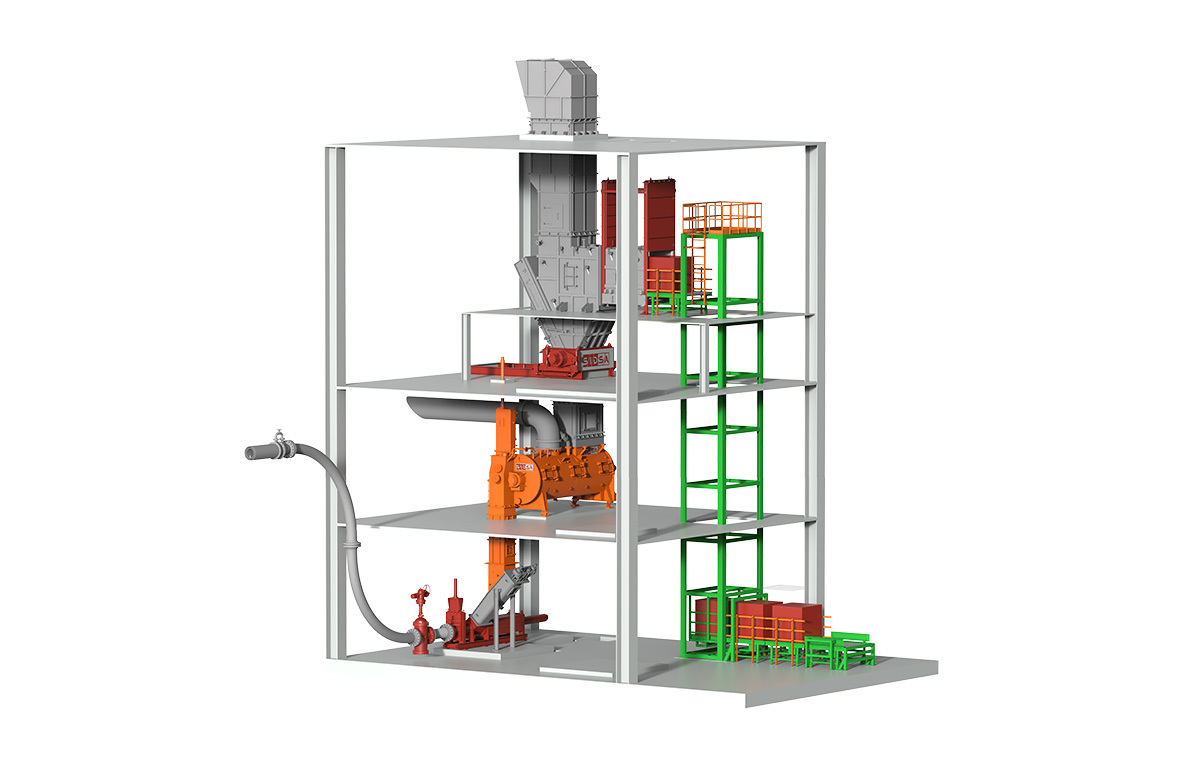
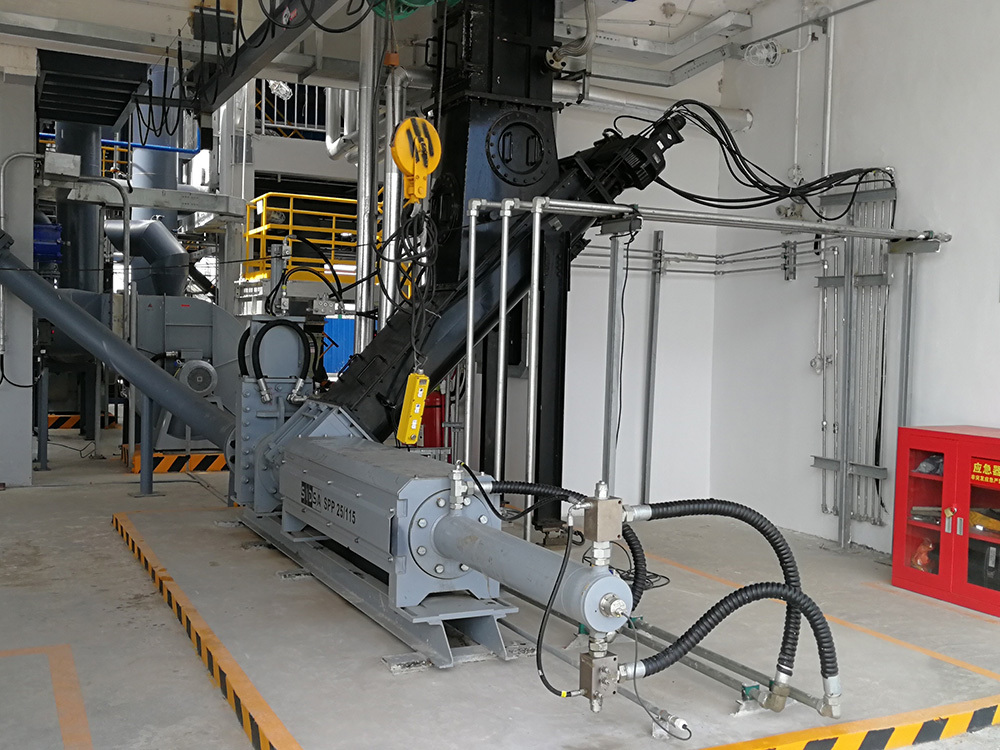
Shredding-Mixing-Pumping
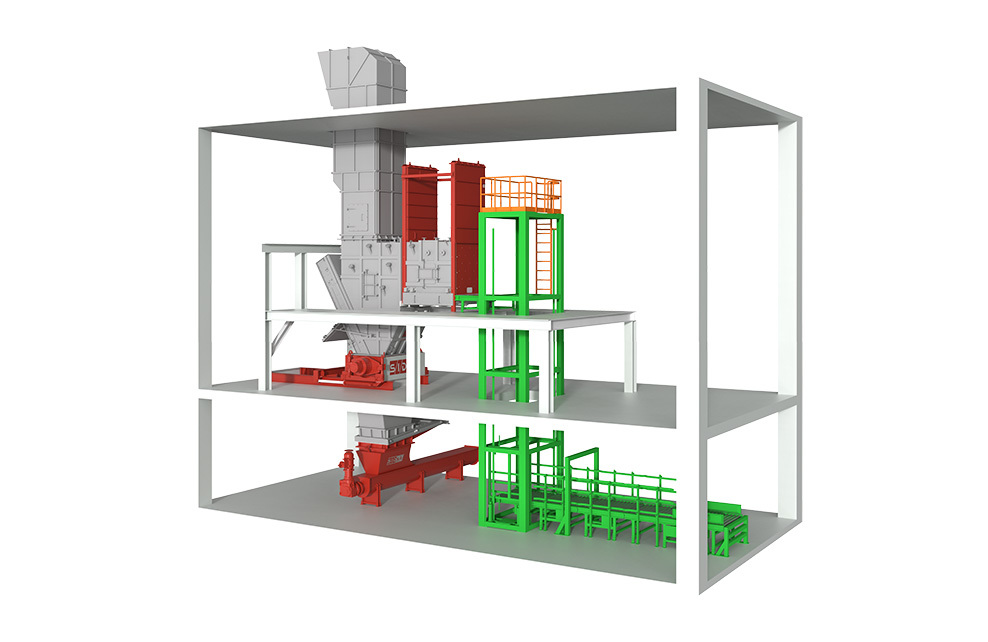
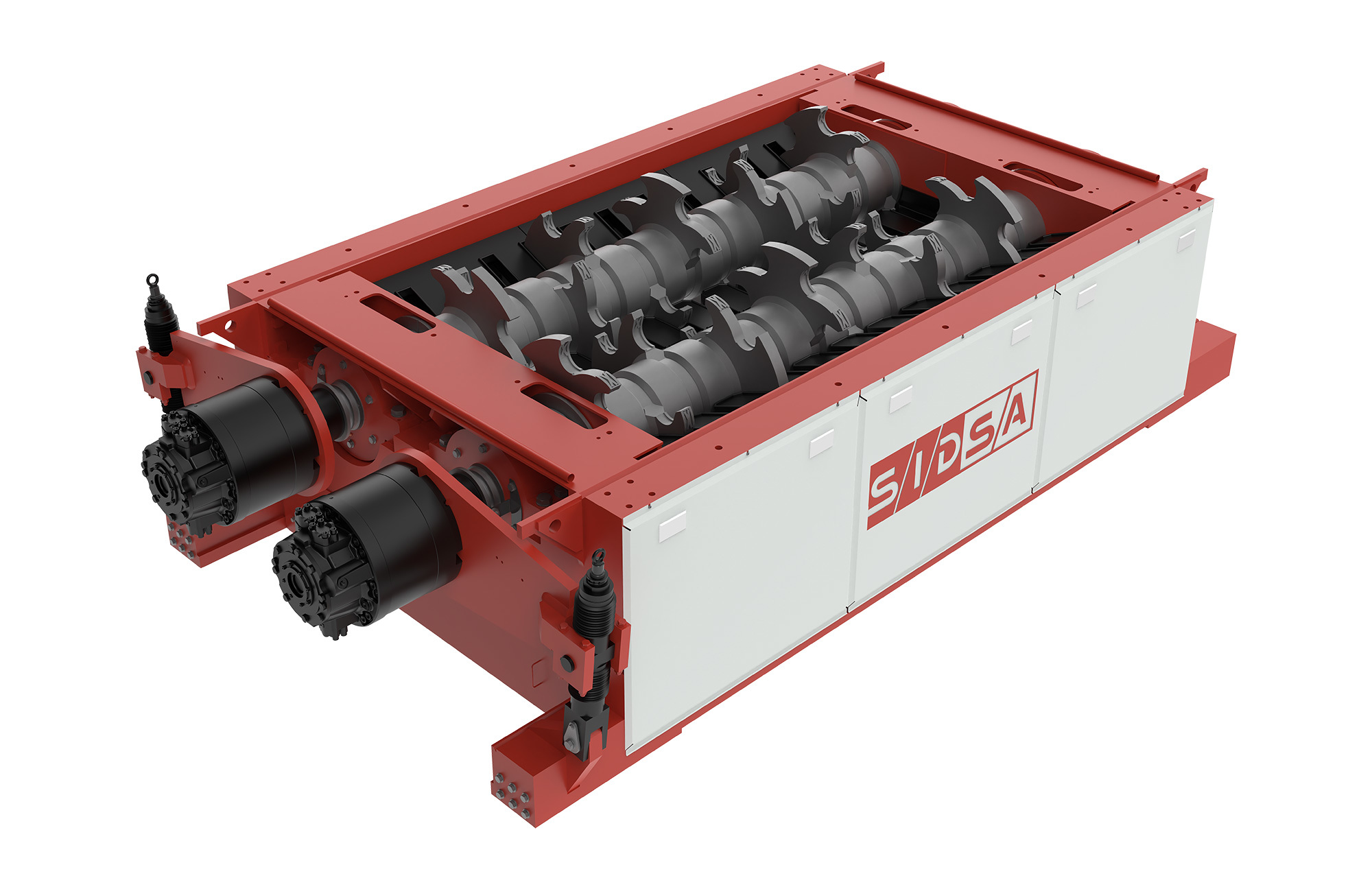
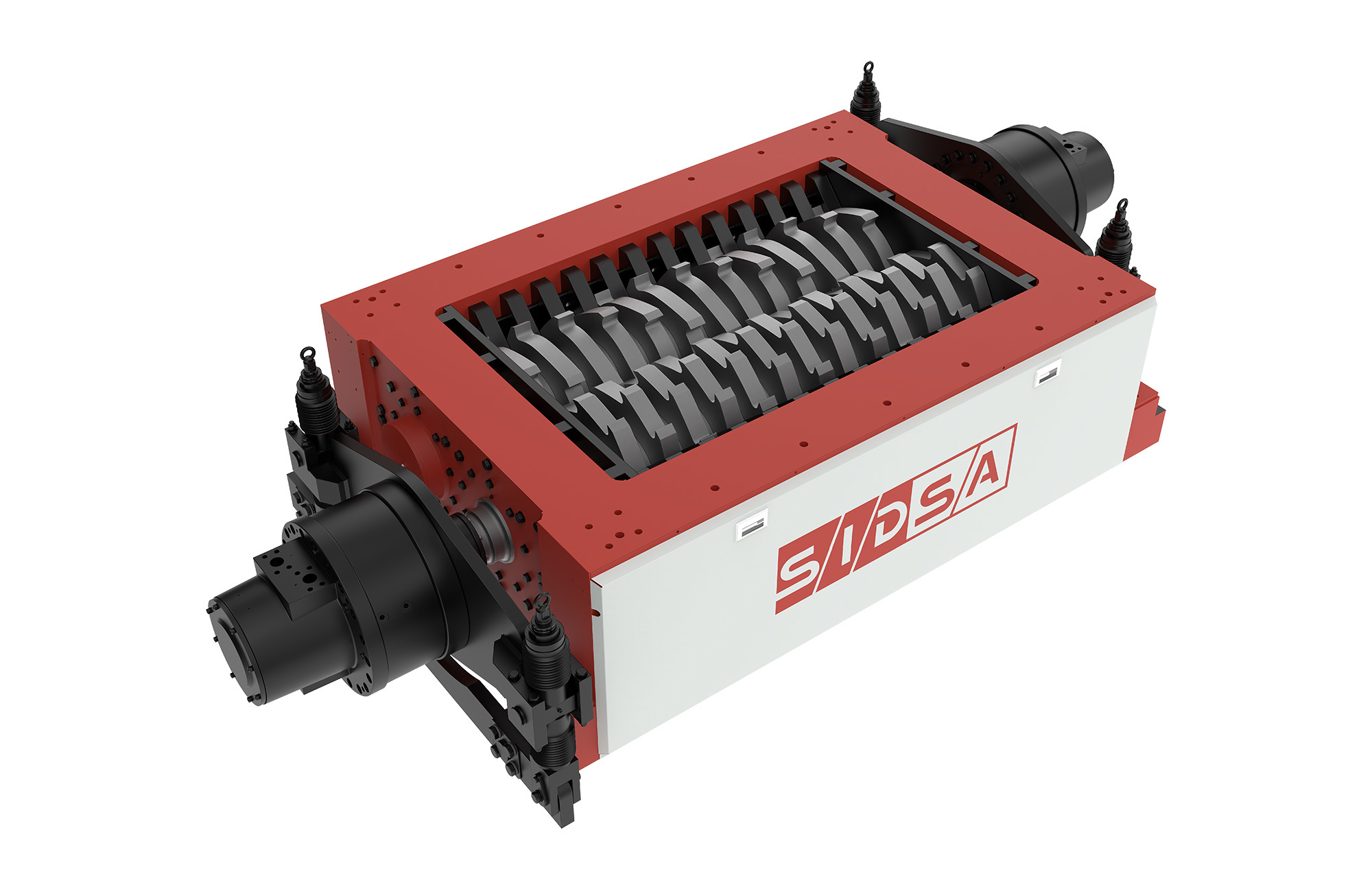
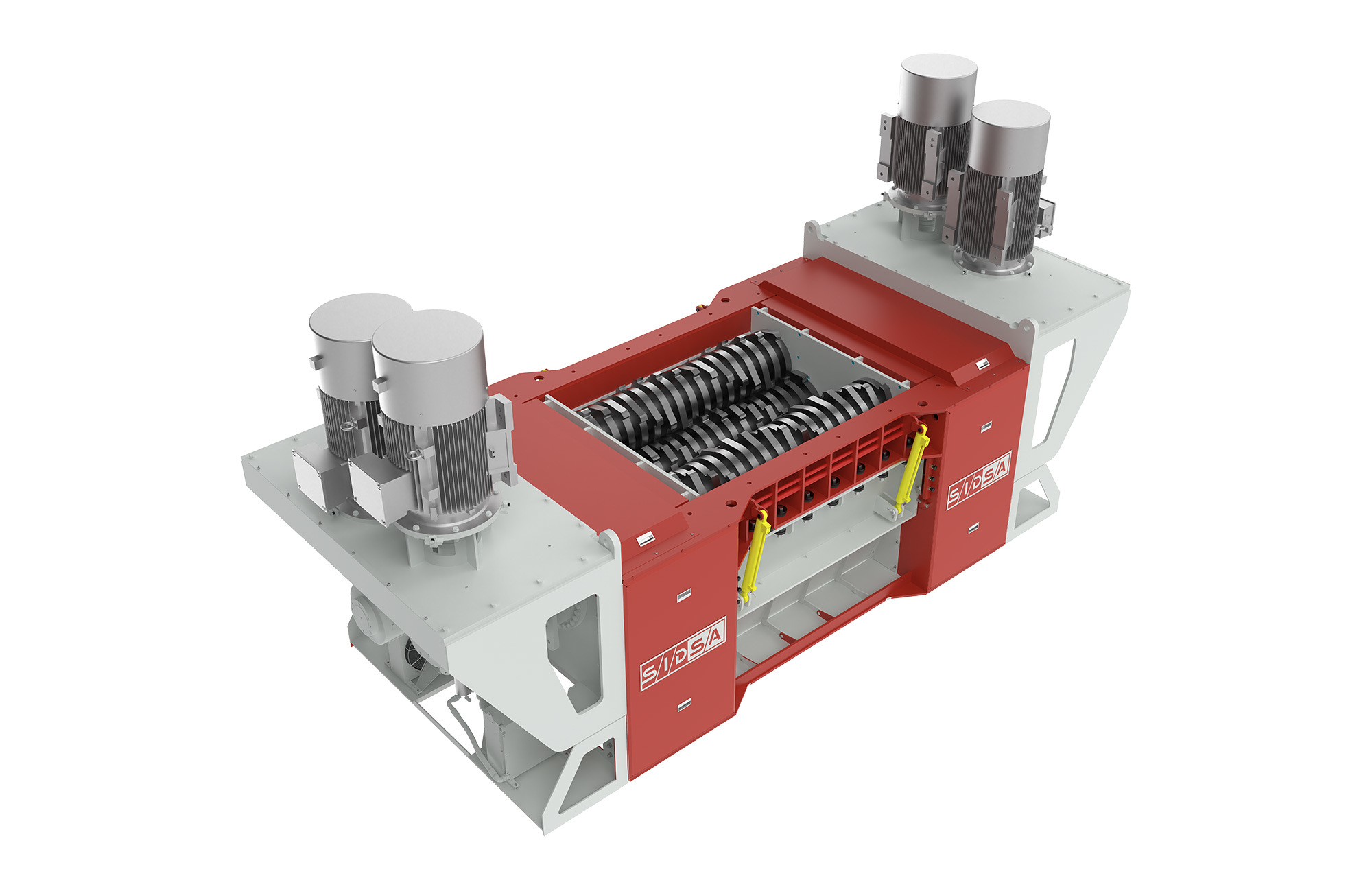
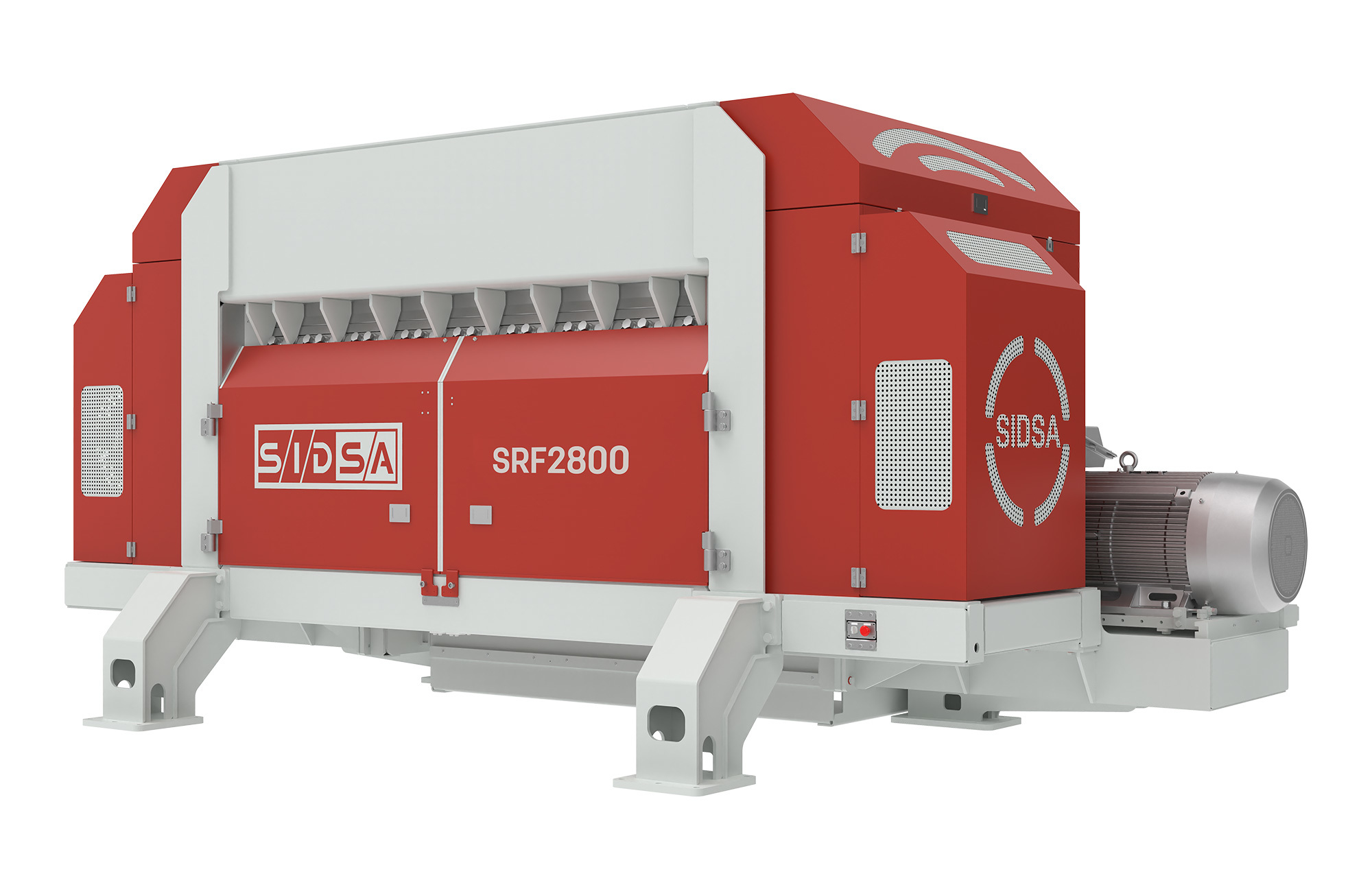
Closed Shredding System
Advantages of SID solution
- Enhanced safety, reduced storage and transportation risks, and minimized risk of accidents.
- Allows you to save on external disposal costs while recovering thermal energy.
- Adapts to waste generation peaks and adjusts processing capacity.
- Complies with environmental regulations and reduces the risk of fines.
- Demonstrates social responsibility and align with environmental policies.
- Allows you to gain experience, expand business opportunities, and achieve long-term benefits.
Processed materials
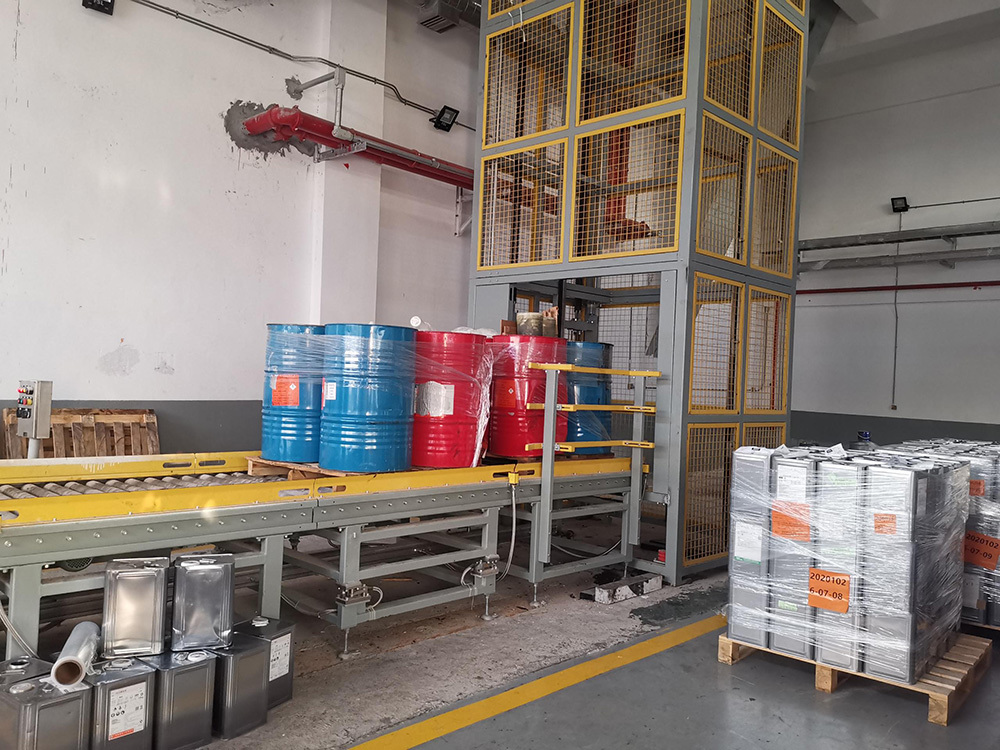
Waste oil, sludge, solvents, waste acids, waste alkalis, waste salts, waste resins and plastics, discarded pharmaceuticals, and biological residues.
The petrochemical and pharmaceutical industries are major sources of hazardous waste. When improperly managed, this type of waste harms the environment and poses serious safety hazards.
Establishing an in-house hazardous waste disposal system allows to enhance safety, reduces costs, and simultaneously reduces the environmental impact.
SMP CSS
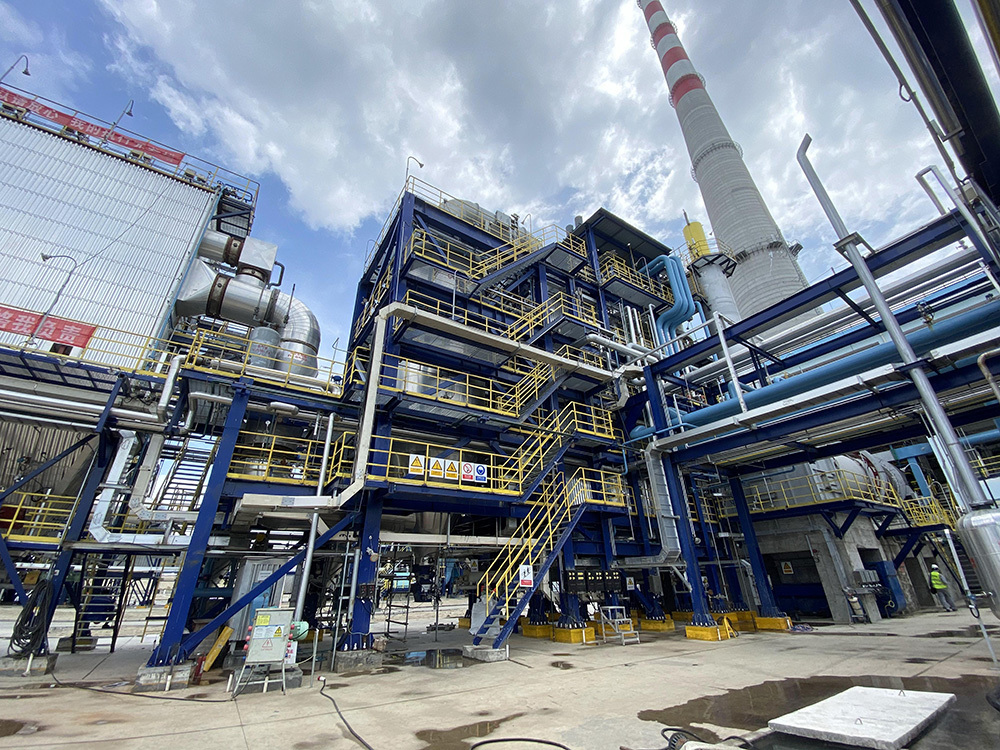
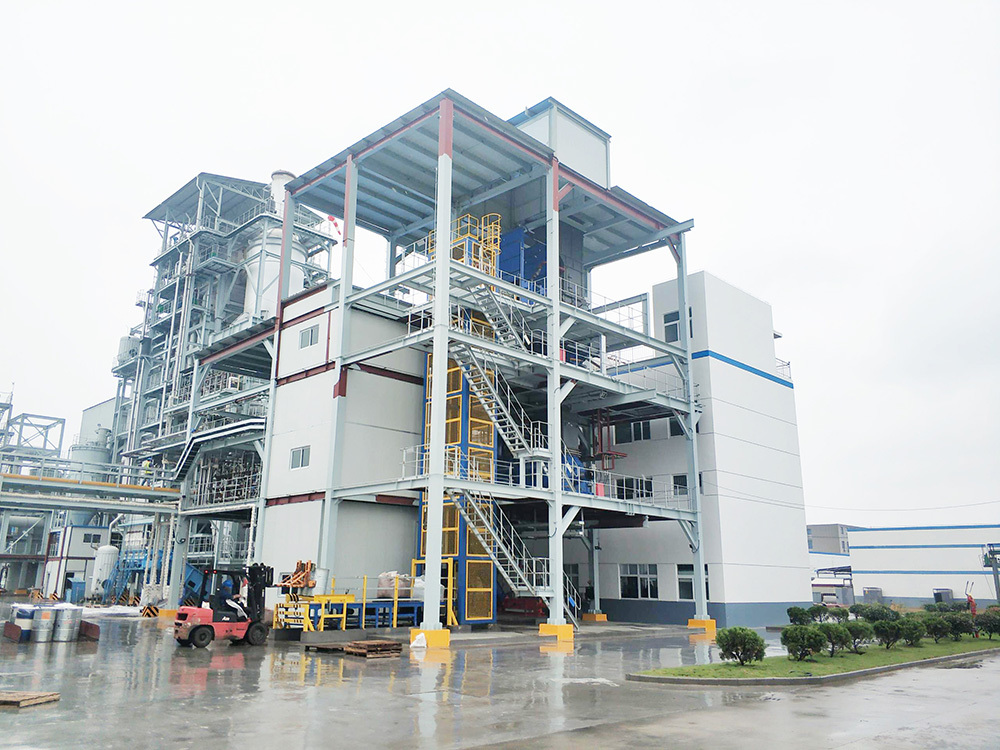
The SMP/CSS is an ideal pre-treatment system for hazardous waste. It ensures safe and stable supply of homogeneously mixed materials to the kiln. Due to the excellent performance, safety, reliability and strong adaptability of the SMP/CSS system, it is trusted by an increasing number of players dealing with hazardous waste.
Advantages
- Enhanced safety, reduced storage and transportation risks, and minimized risk of accidents.
- Allows you to save on external disposal costs while recovering thermal energy.
- Adapts to waste generation peaks and adjusts processing capacity.
- Complies with environmental regulations and reduces the risk of fines.
- Demonstrates social responsibility and align with environmental policies.
- Allows you to gain experience, expand business opportunities, and achieve long-term benefits.
Processed materials
Waste oil, sludge, solvents, waste acids, waste alkalis, waste salts, waste resins and plastics, discarded pharmaceuticals, and biological residues.
What Else Might You Learn?
SIDSA focuses on technological research and innovation in the field of waste pretreatment
The SIDSA SMP® system has operated continuously for 21 years in China, proving exceptional reliability in hazardous waste pre-treatment. Over 60% of enterprises choose SIDSA solutions. The latest SIDSA SMART SOLUTIONS integrates IoT, AI and big data for full-line coordination and predictive maintenance. As the industry pursues high-quality operation, SIDSA delivers stable, safe and intelligent waste treatment solutions.