Textiles (fabrics, polymers, plastic films, rubber products, etc) can be processed into alternative fuels.
When burned at high temperatures in industrial kilns, they can completely decompose harmful substances and reduce pollution.
Solutions
Textiles
Advantages of SID solution
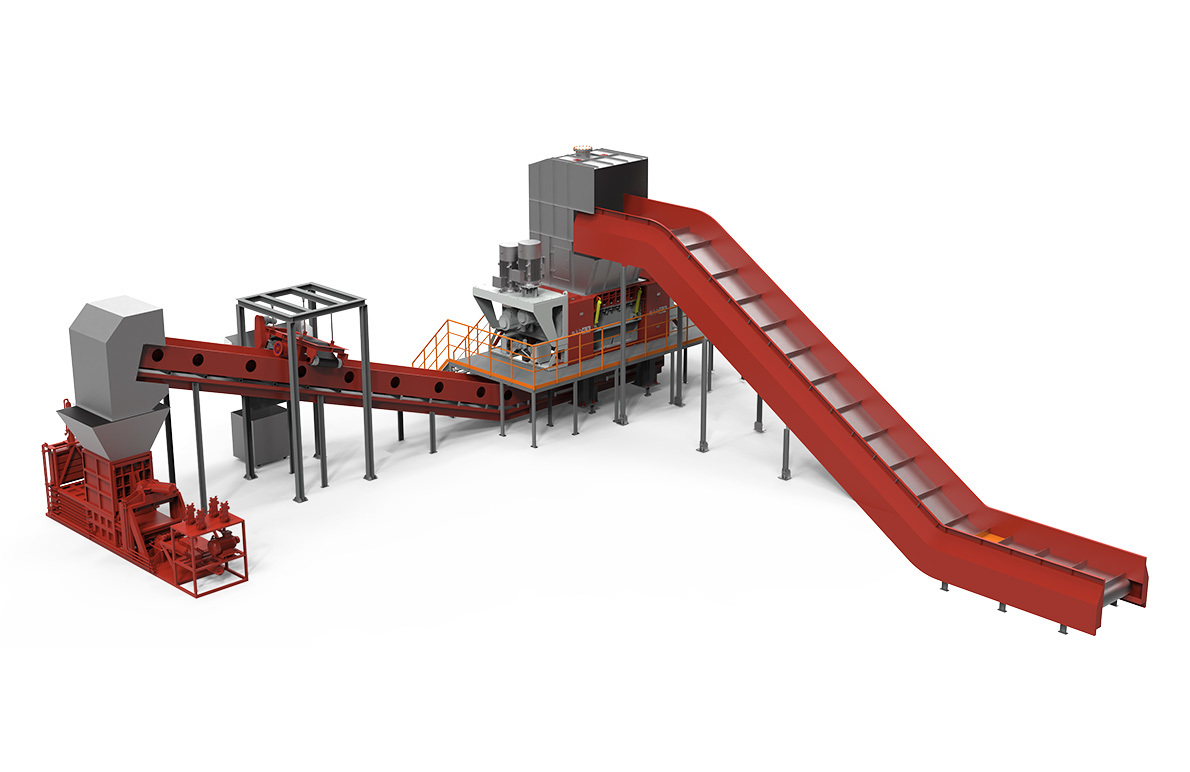
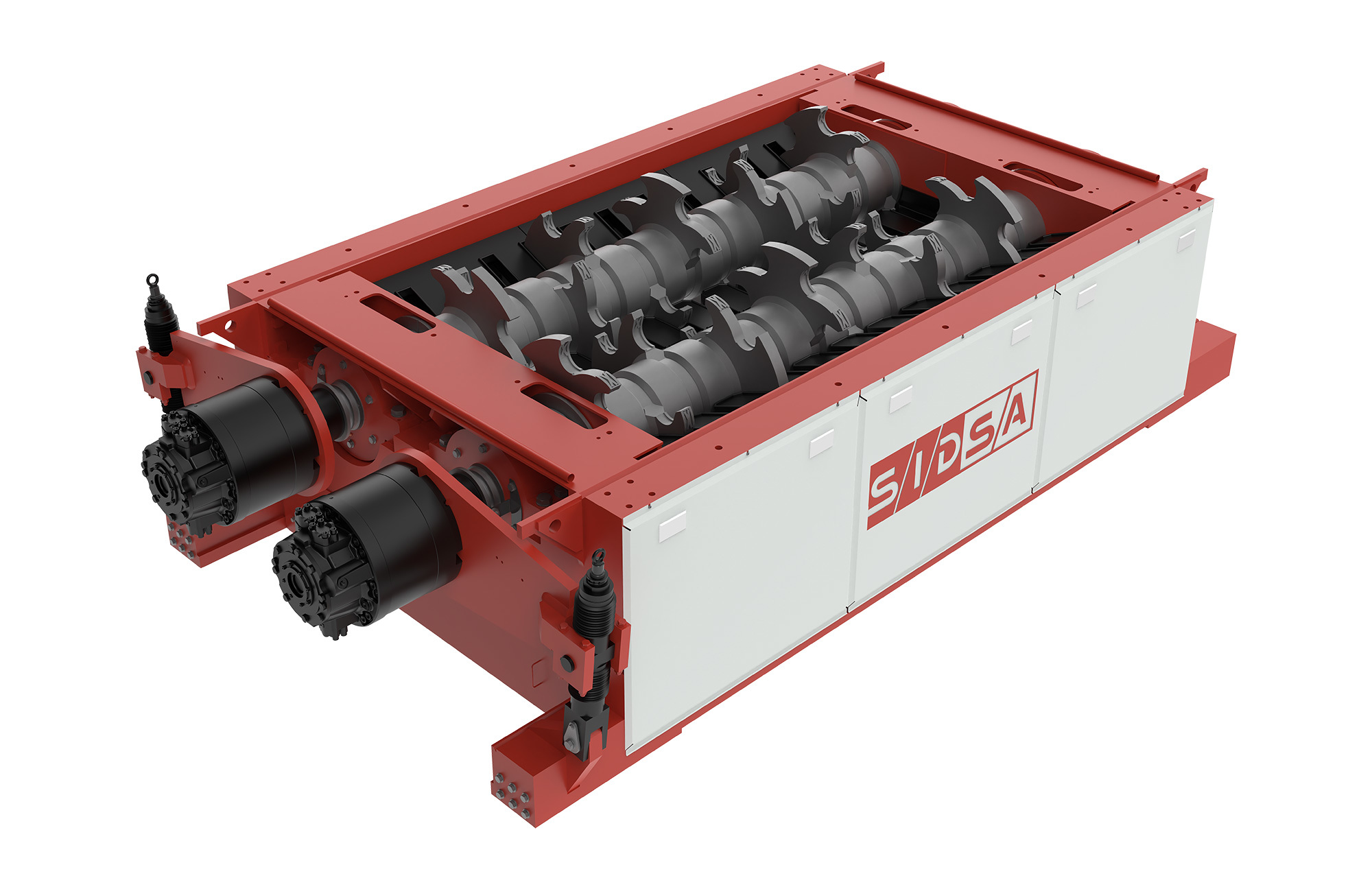
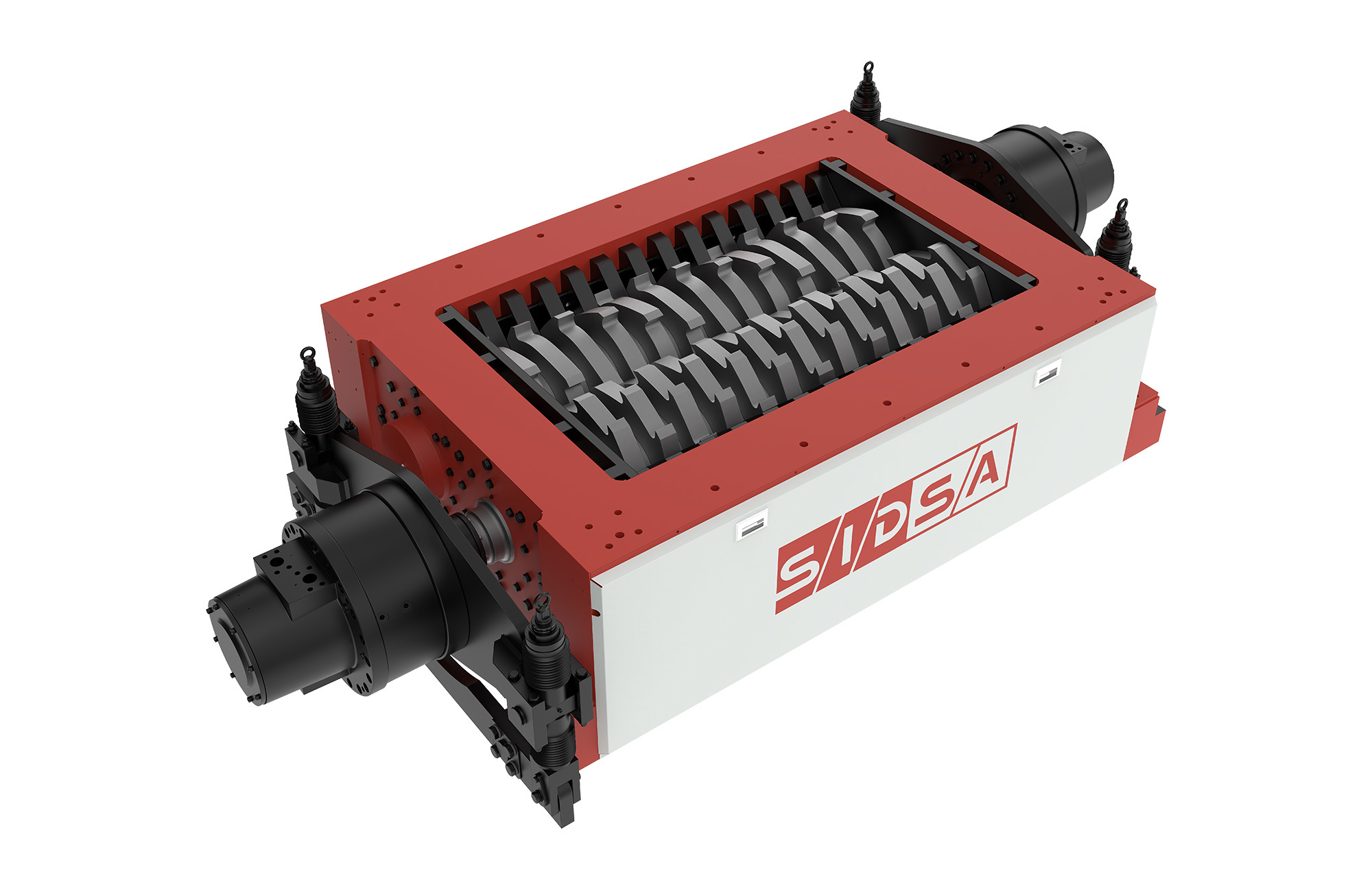
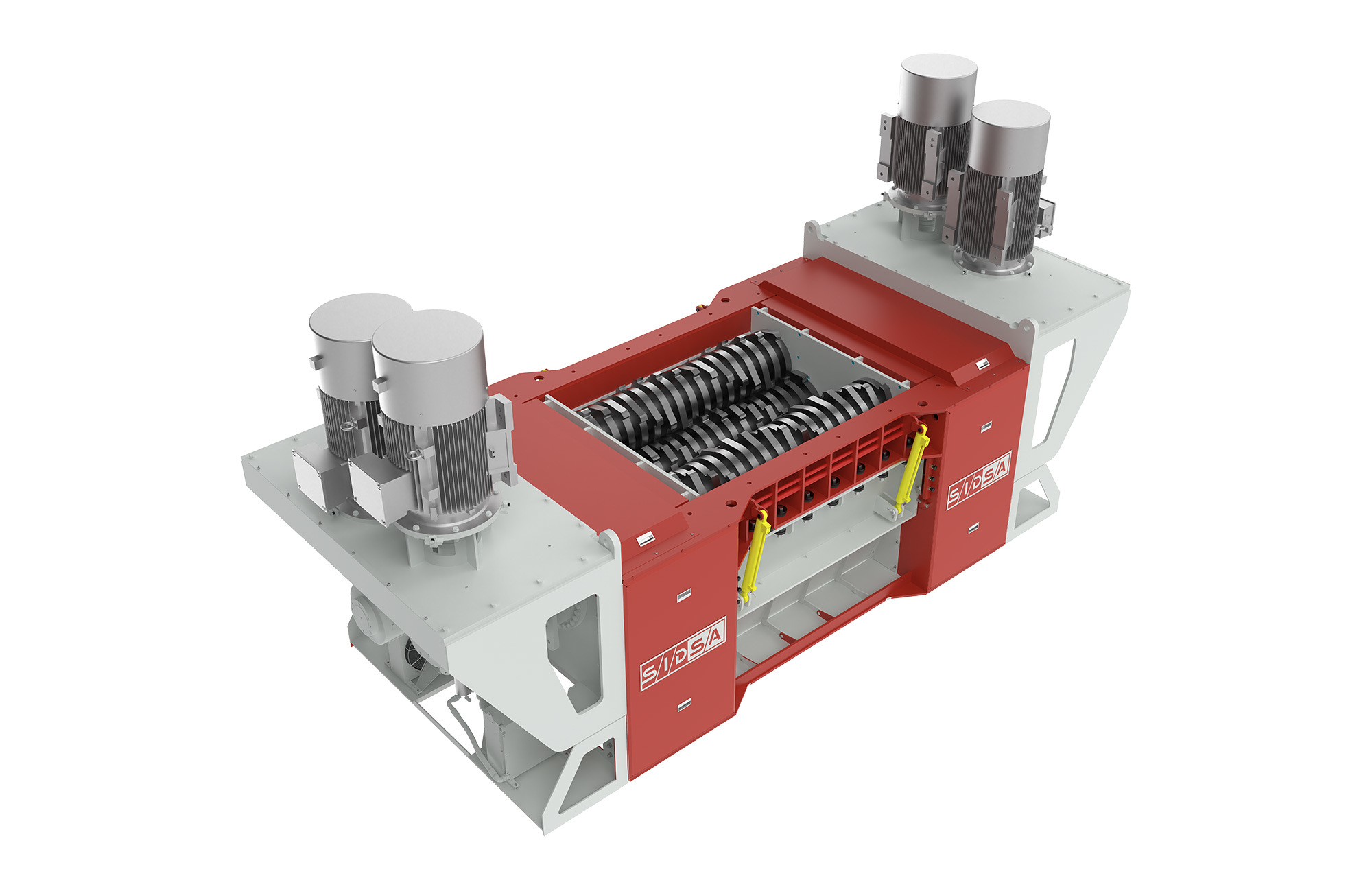
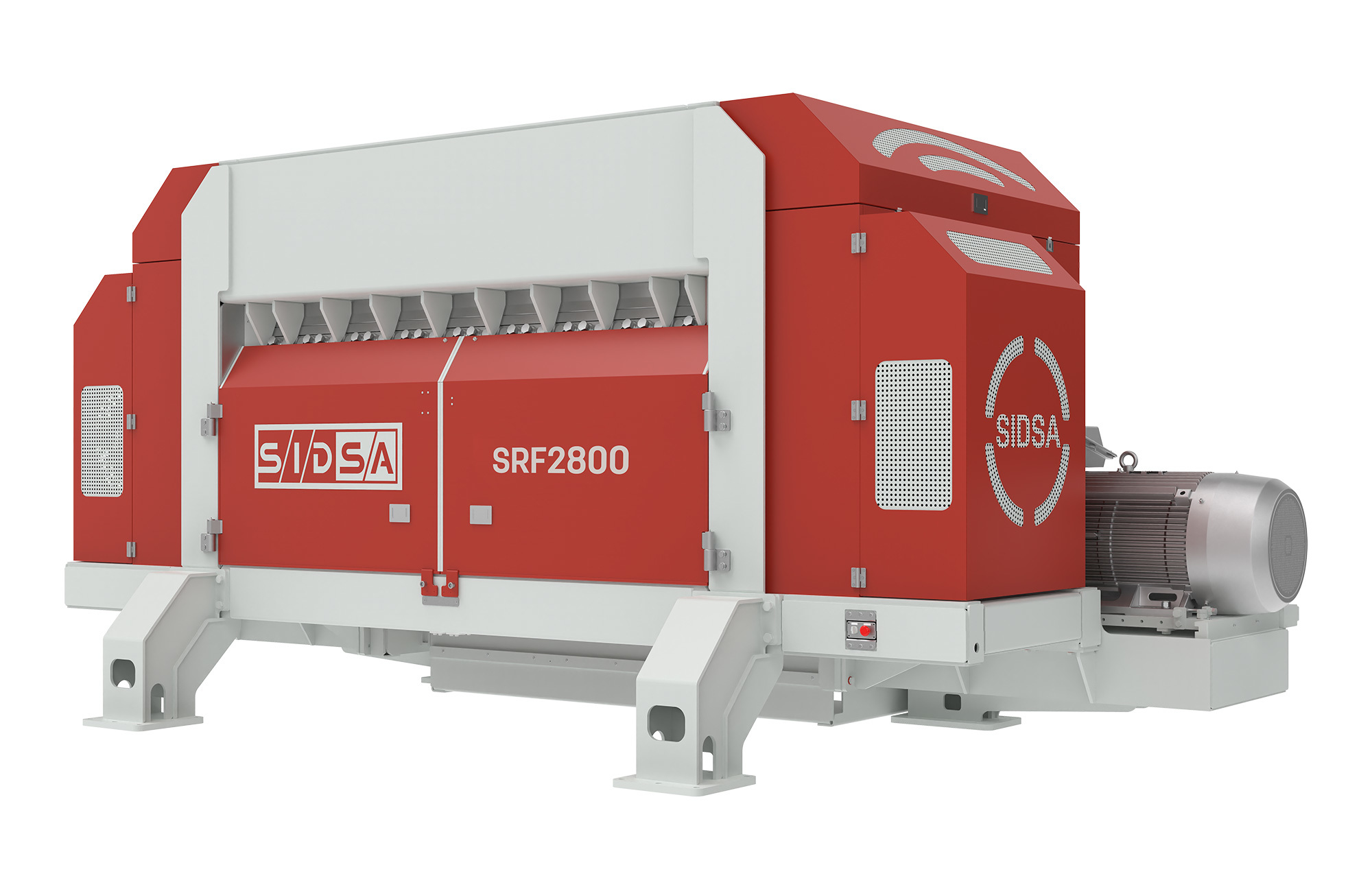
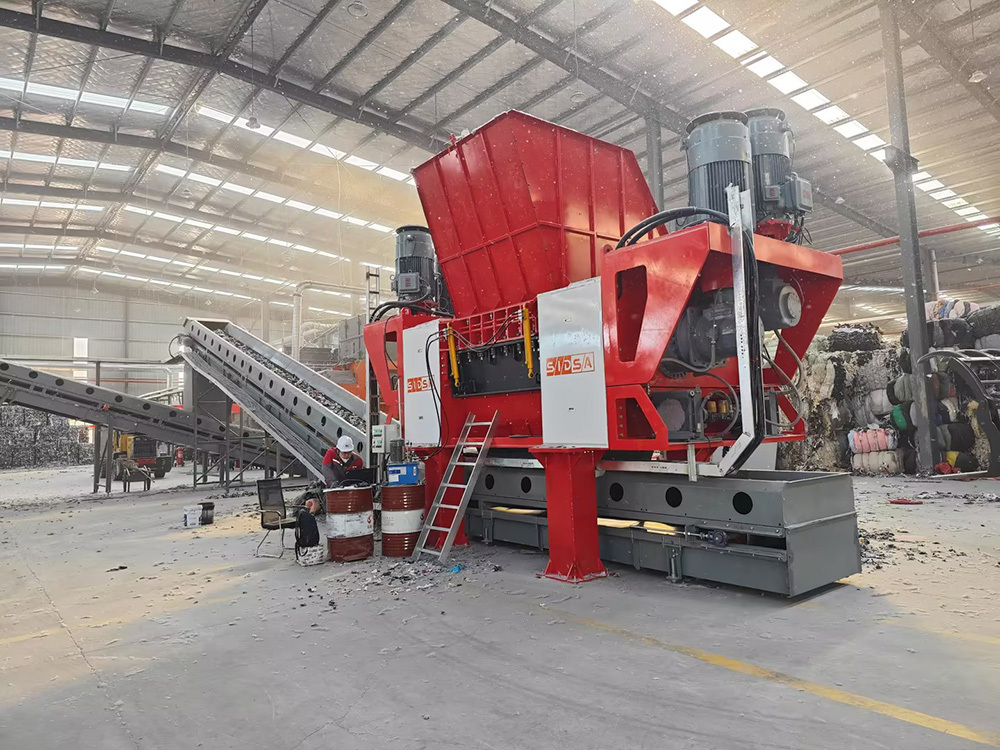
- Automated shredding + screening equipment for efficient processing of large volumes of discarded materials.
- Wide adaptability, capable of handling various types of textiles, including clothing, home textiles, industrial textiles, and leather, etc.
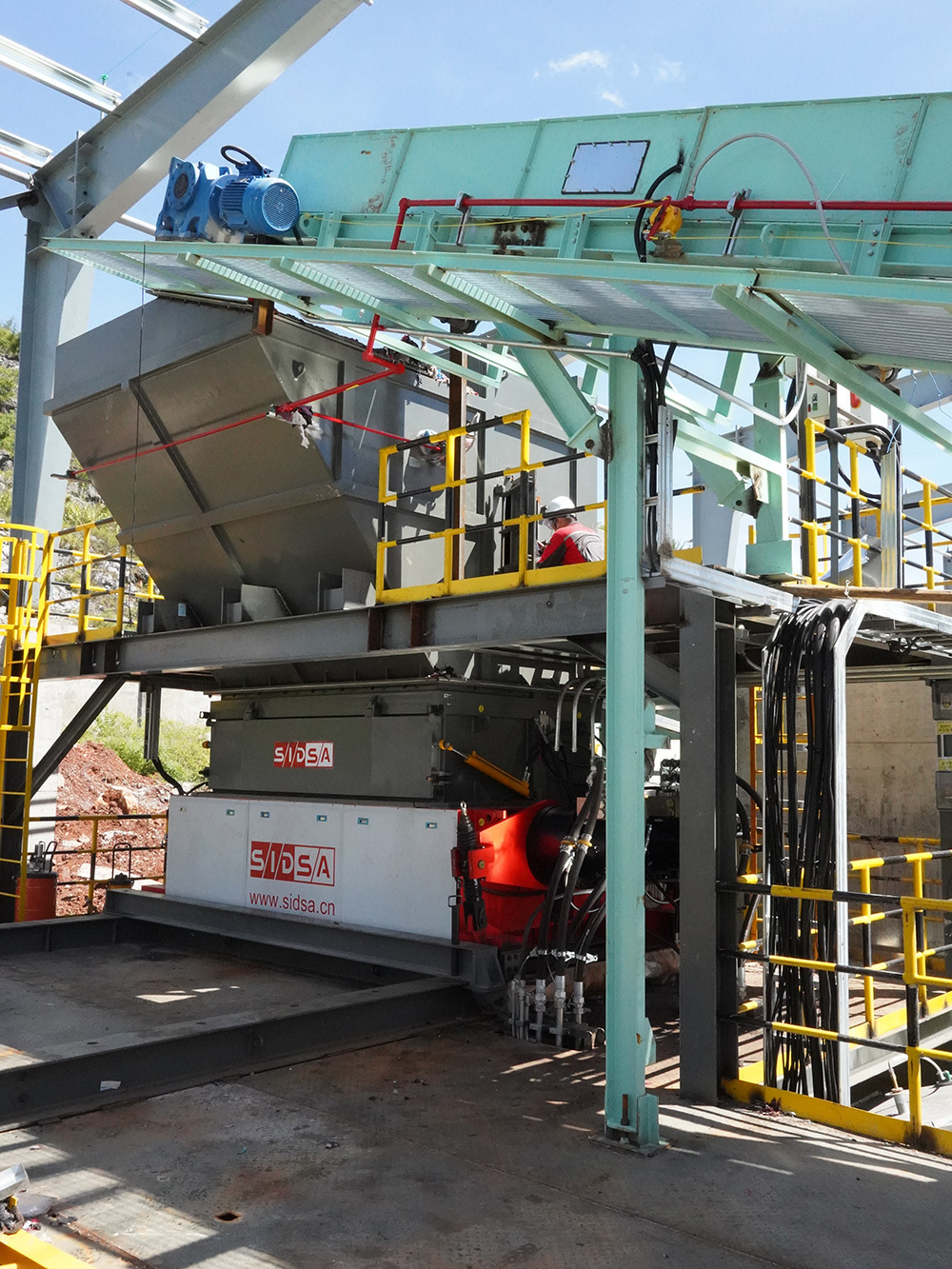
- Equipped with dust collection systems to reduce secondary pollution.
- Customized solutions based on user requirements.
- Safe and stable equipment, suitable for high-intensity continuous operation with low maintenance costs.
Processed materials
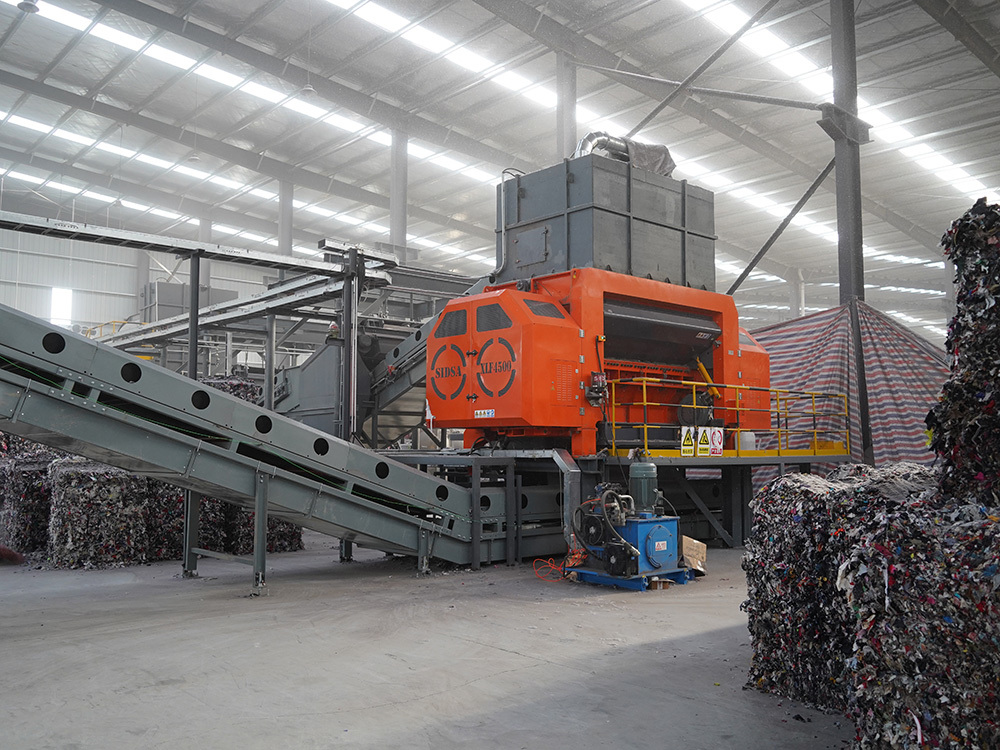
Discarded plastic bags, used clothing items, industrial offcuts, etc.
Textiles (fabrics, polymers, plastic films, rubber products, etc) can be processed into alternative fuels. When burned at high temperatures in industrial kilns, they can completely decompose harmful substances and reduce pollution.
Solutions
Textiles can be processed into pelletized, flake, or compressed block fuels through shredding, screening, and molding. These fuels can replace coal and other fossil fuels, helping to reduce carbon emissions.
Advantages
- Automated shredding + screening equipment for efficient processing of large volumes of discarded materials.
- Wide adaptability, capable of handling various types of textiles, including clothing, home textiles, industrial textiles, and leather, etc.
- Equipped with dust collection systems to reduce secondary pollution.
- Customized solutions based on user requirements.
- Safe and stable equipment, suitable for high-intensity continuous operation with low maintenance costs.
Processed materials
Discarded plastic bags, used clothing items, industrial offcuts, etc.
What Else Might You Learn?
SIDSA focuses on technological research and innovation in the field of waste pretreatment
Back in 2019, when Shanghai first implemented mandatory waste sorting, the entire Chinese internet was baffled by "dry" and "wet" waste. Yet, just a few years later, the topic seems to have faded from public discourse. It's not that we've forgotten, nor that the policies have been halted. The reality is that China's waste treatment technology has quietly achieved an incredible, unforeseen victory.
From February 4 to 6, SIDSA made its debut at the Asia Enwast Expo (Asia Environment & Waste Management Expo) in Bangkok, Thailand. At the exhibition, we engaged in substantive technical discussions with clients from Thailand and neighboring countries, with conversations consistently centered on how to ensure long-term stable operation of equipment under tropical working conditions.
In February 2026, during Indonesia's National Health and Safety Month, SIDSA China Chairman Pierre Jean Charnay was invited by Indocement and Heidelberg Materials to attend a conference in Jakarta. The discussions focused comprehensively and pragmatically on the safety challenges and developments within the solid waste treatment process.
Product
SIDSA focuses on technological research and innovation in the field of waste pretreatment