Bulky waste refers to discarded items that are large in volume and heavy in weight, requiring size reduction for transportation and disposal.
These items cannot be directly placed in municipal waste collection systems.
Common examples of large bulky waste include used furniture, appliances, and large packaging materials.
Sloutions
Bulky waste
Advantages of SID solution
- Automated process allowing to efficiently separate recyclables, combustibles, metals and hazardous materials.
- Wide applicability, capable of handling various types of large bulky waste.
- Automated operation reducing labor and operating costs.
- Configurations can be adjusted based on different waste types and processing requirements to meet diverse needs.
Processed materials
- Discarded furnitures
Sofas, beds, wardrobes, tables, chairs, etc.
- Discarded appliances
Large household appliances such as televisions, refrigerators, air conditioners, washing machines.
- Renovation waste
Large discarded items generated during renovation, such as doors, windows, flooring, cabinets, etc.
- Others
Discarded fitness equipment, large toys, large packaging materials (such as wooden pallets, foam boxes, etc.).
Bulky waste refers to discarded items that are large in volume and heavy in weight, requiring size reduction for transportation and disposal. These items cannot be directly placed in municipal waste collection systems. Common examples of large bulky waste include used furniture, appliances, and large packaging materials.
Solutions
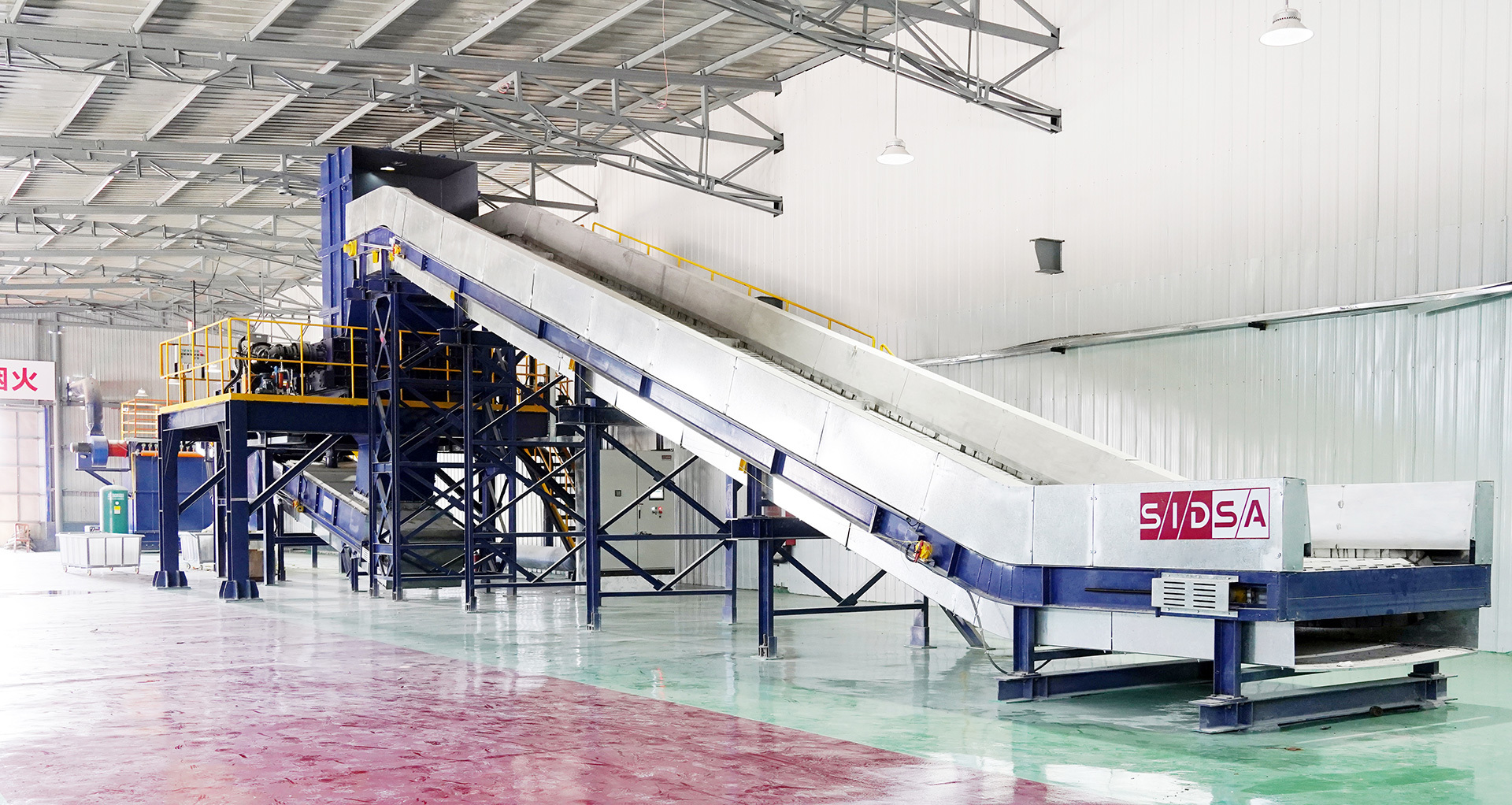
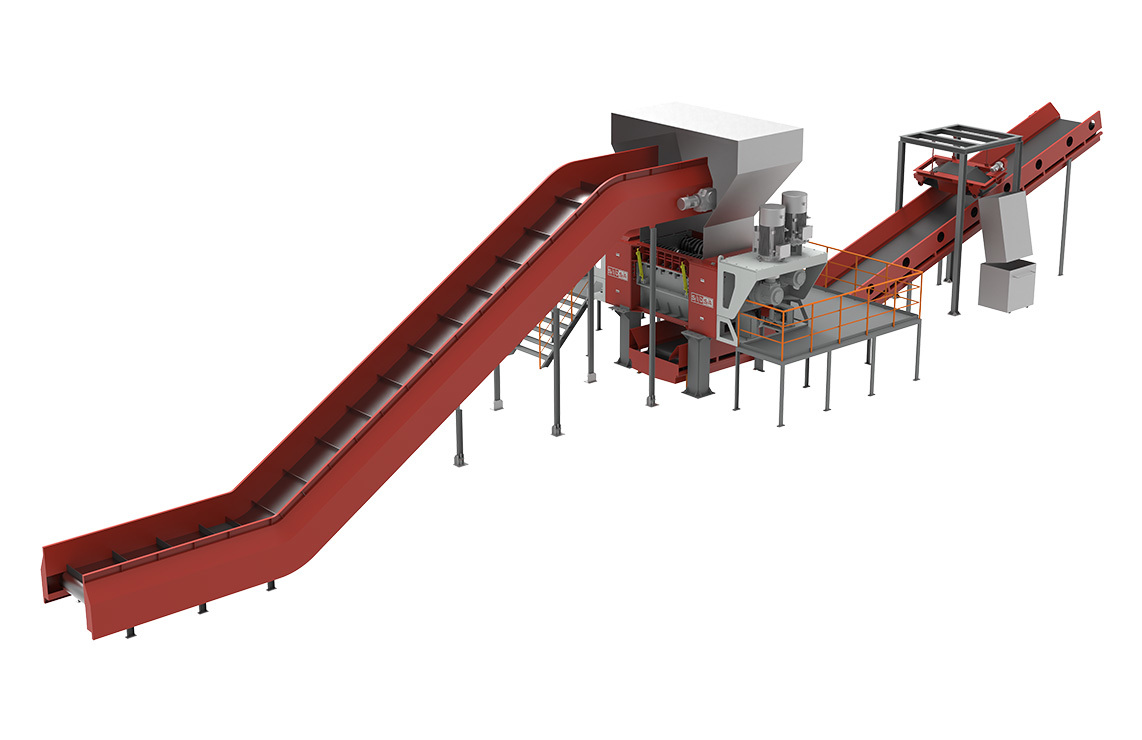
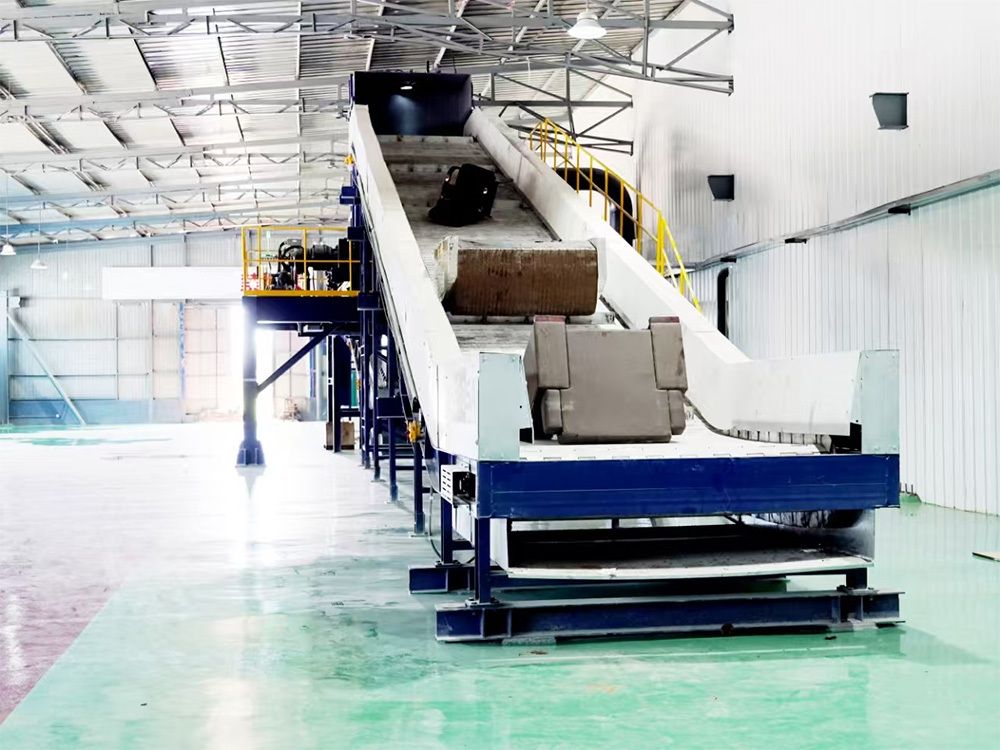
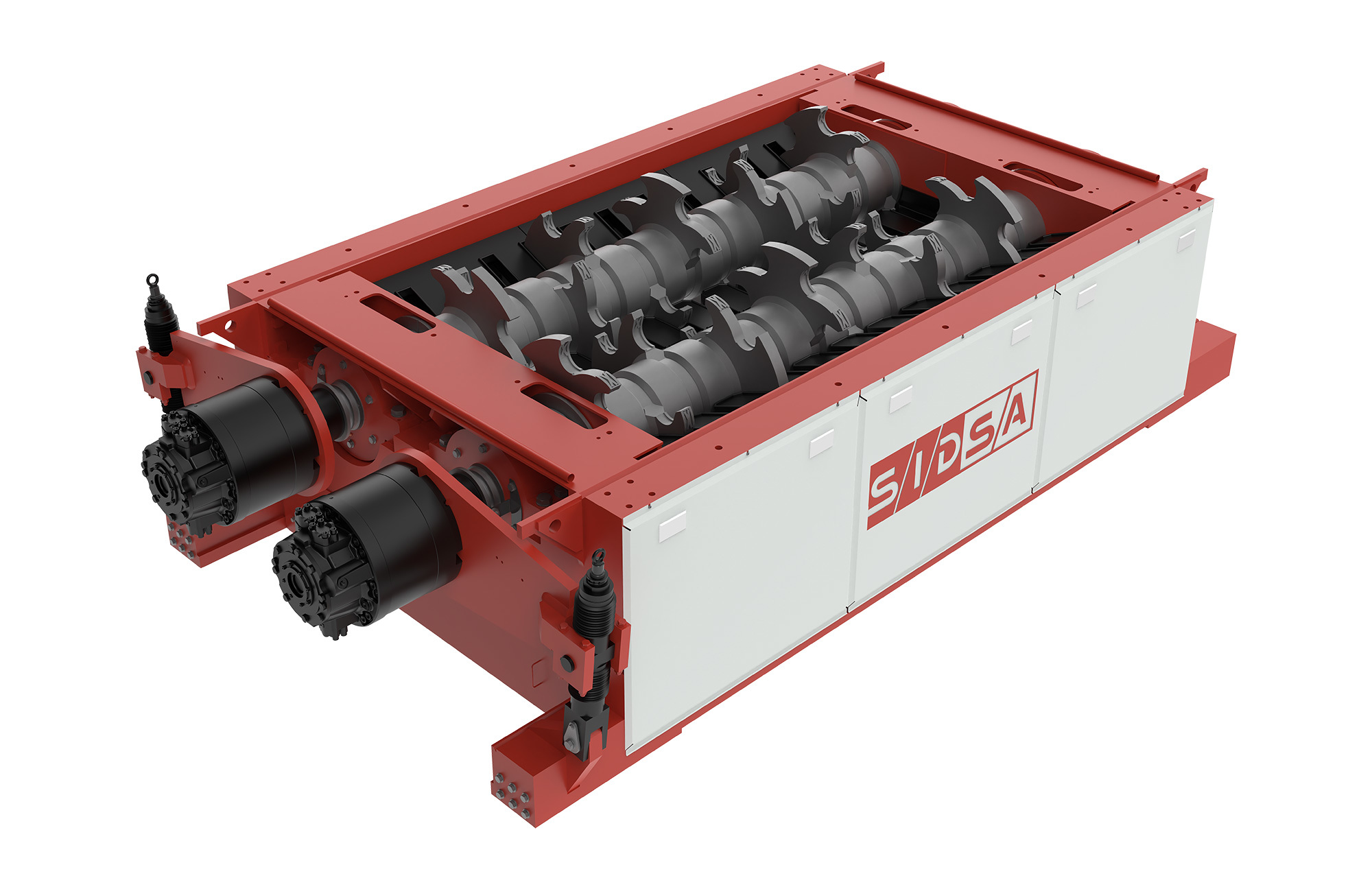
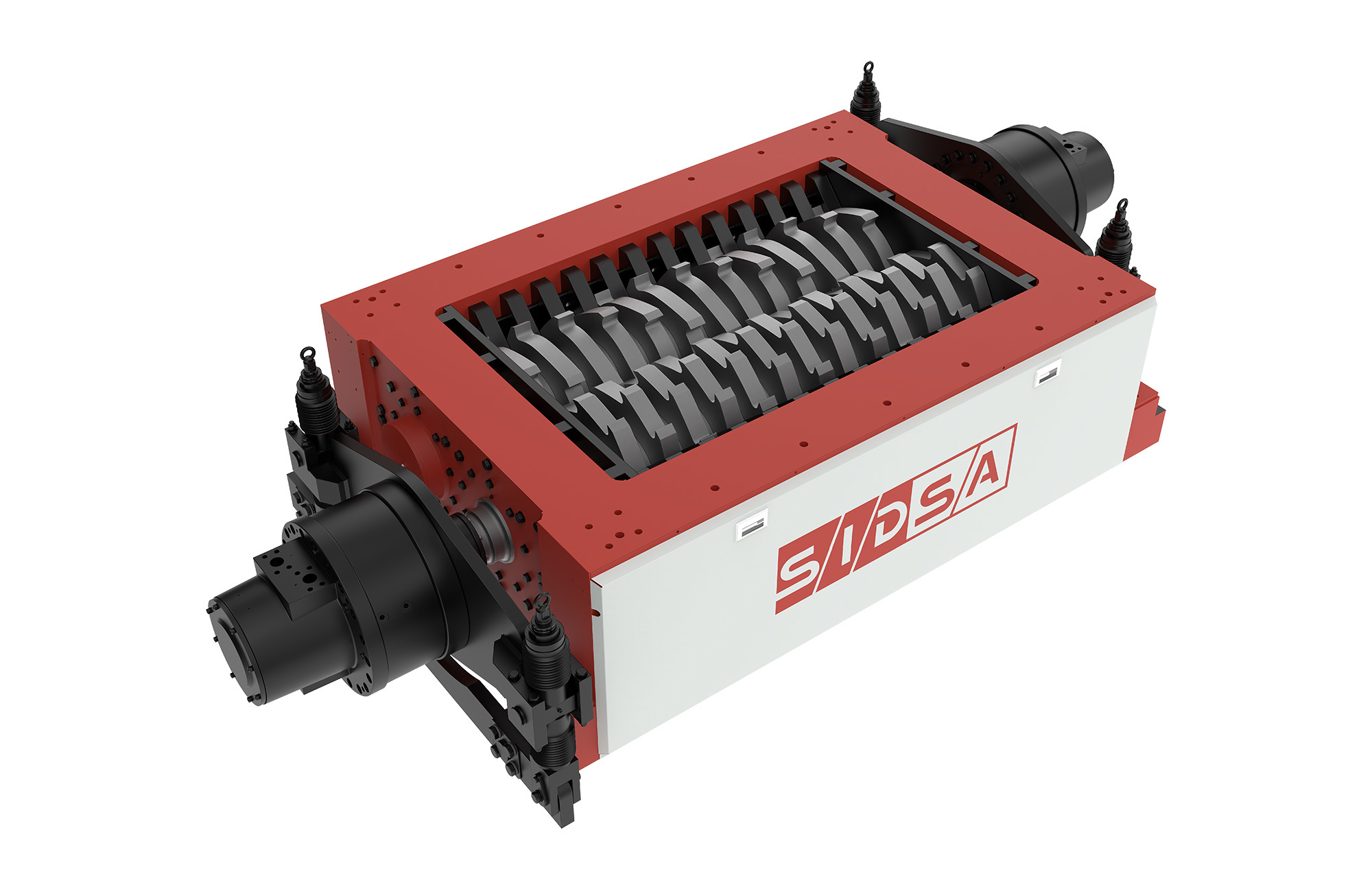
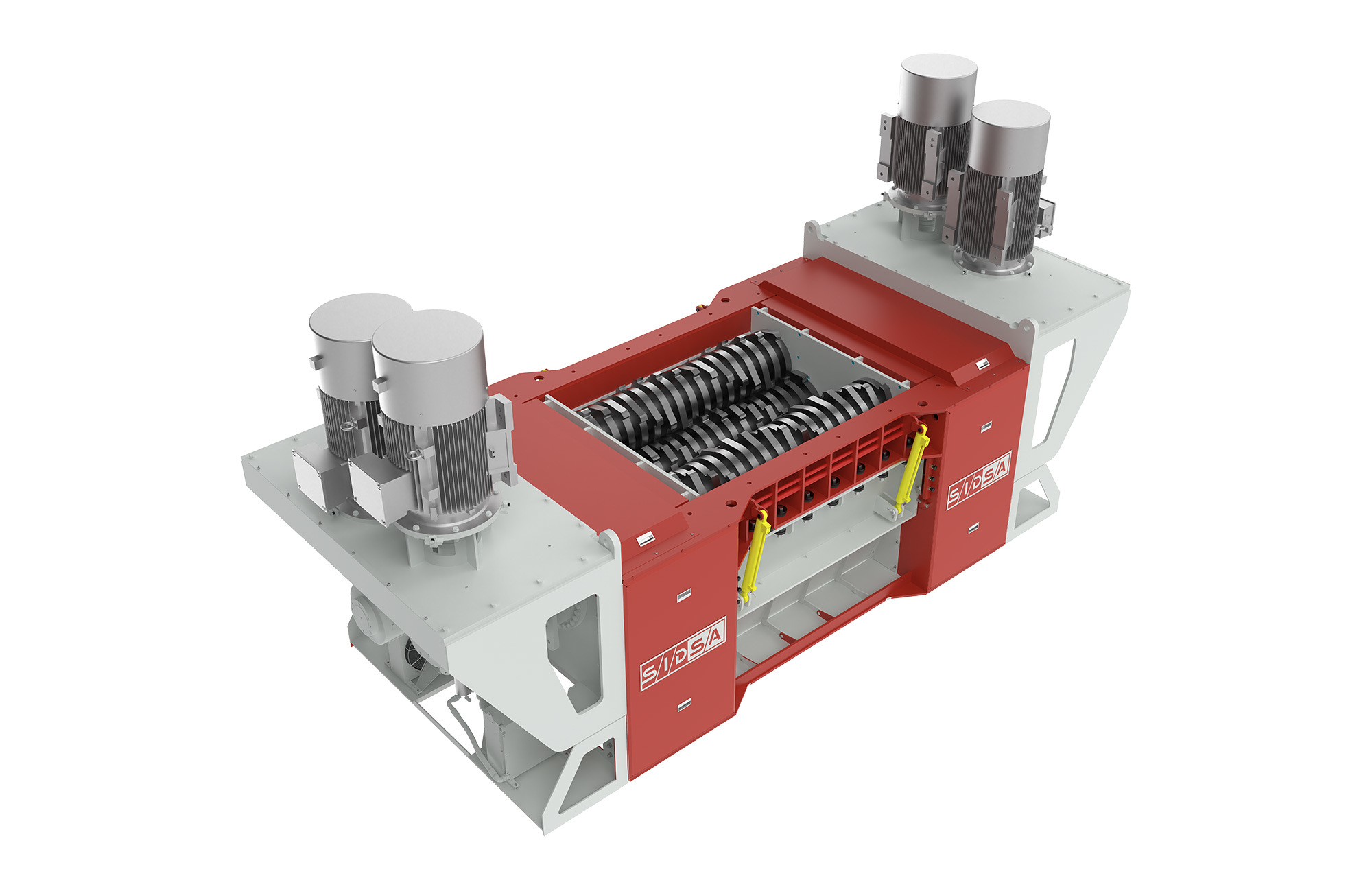
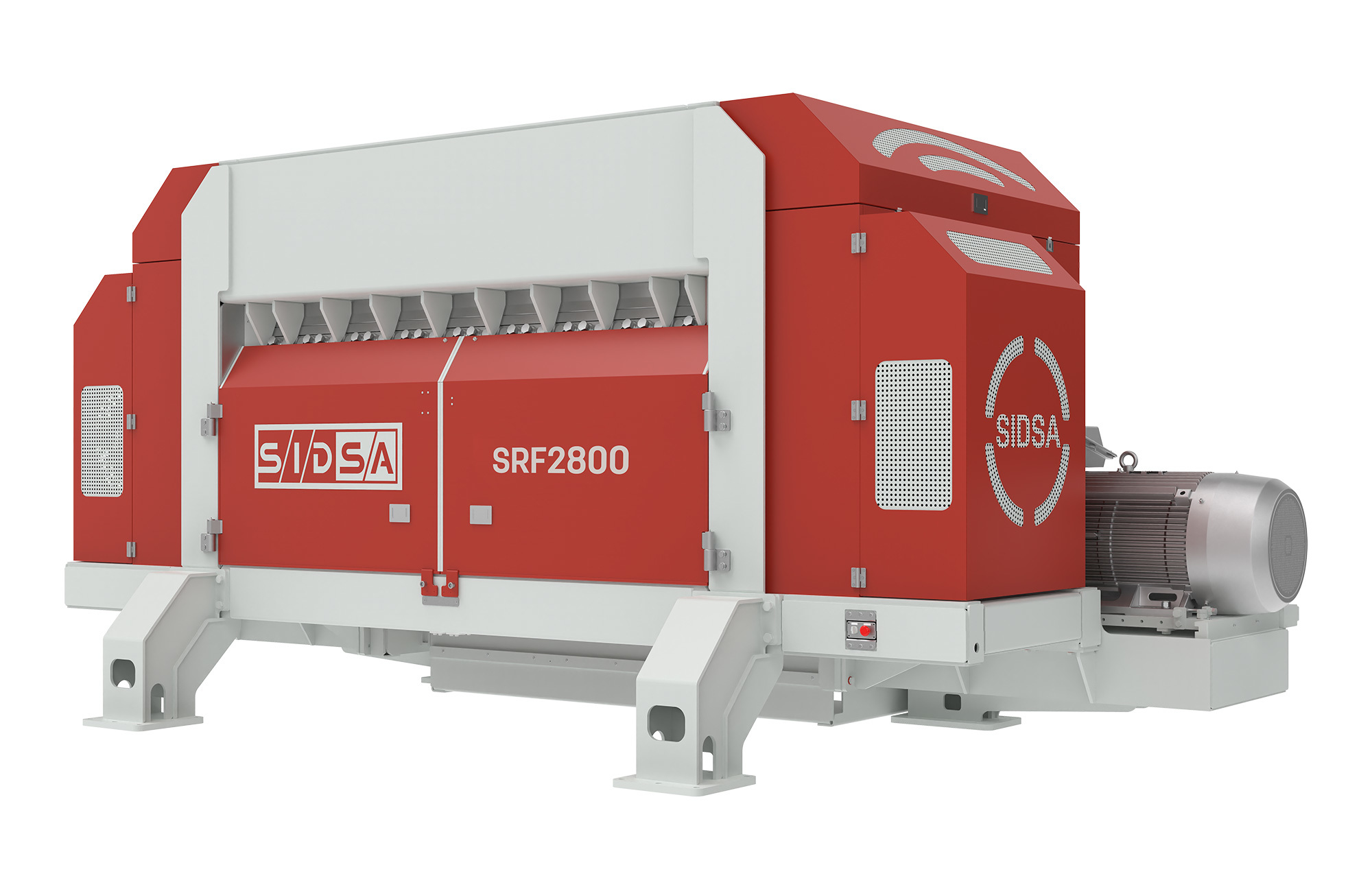
Bulky waste is processed through shredding, screening, iron removal, and other methods to separate combustible materials (such as wood, plastic, rubber, etc.) and metal components.
Advantages
- Automated process allowing to efficiently separate recyclables, combustibles, metals and hazardous materials.
- Wide applicability, capable of handling various types of large bulky waste.
- Automated operation reducing labor and operating costs.
- Configurations can be adjusted based on different waste types and processing requirements to meet diverse needs.
Processed materials
- Discarded furnitures
Sofas, beds, wardrobes, tables, chairs, etc.
- Discarded appliances
Large household appliances such as televisions, refrigerators, air conditioners, washing machines.
- Renovation waste
Large discarded items generated during renovation, such as doors, windows, flooring, cabinets, etc.
- Others
Discarded fitness equipment, large toys, large packaging materials (such as wooden pallets, foam boxes, etc.).
What Else Might You Learn?
SIDSA focuses on technological research and innovation in the field of waste pretreatment
The SIDSA SMP® system has operated continuously for 21 years in China, proving exceptional reliability in hazardous waste pre-treatment. Over 60% of enterprises choose SIDSA solutions. The latest SIDSA SMART SOLUTIONS integrates IoT, AI and big data for full-line coordination and predictive maintenance. As the industry pursues high-quality operation, SIDSA delivers stable, safe and intelligent waste treatment solutions.